
What if your dream of peaceful, self-sufficient living wasn’t just a fantasy? Many people envision creating their own sanctuary surrounded by nature, but traditional construction methods often seem overwhelming.
We understand that this vision represents more than just construction—it’s about bringing your personal retreat to life. The idea of working with raw timber in a remote setting can feel intimidating, especially when facing challenges like irregular gaps and intensive labor.
Fortunately, modern approaches have transformed this process. Hybrid techniques now combine the timeless beauty of classic structures with more accessible building methods. These innovations make your goal achievable, even with limited tools and experience.
Our comprehensive guide walks you through every essential step. We’ve gathered insights from experienced builders and community members to ensure you have proven techniques that work in real-world conditions.
By the end, you’ll feel confident about starting your project. You’ll understand exactly what to expect and how to transform your vision into reality. Let’s begin this journey together.
Planning Your Off-Grid Log Cabin
The foundation of any successful retreat begins with thoughtful preparation of your chosen site. We guide you through this critical phase to ensure your vision aligns perfectly with practical realities.
Assessing Your Location
Selecting the right location stands as the top priority for your entire project. Your chosen place requires careful evaluation of several key things.
Water availability, sun exposure for solar power, and soil conditions for foundation work all demand attention. Accessibility for transporting materials during the building phase also plays a crucial role.
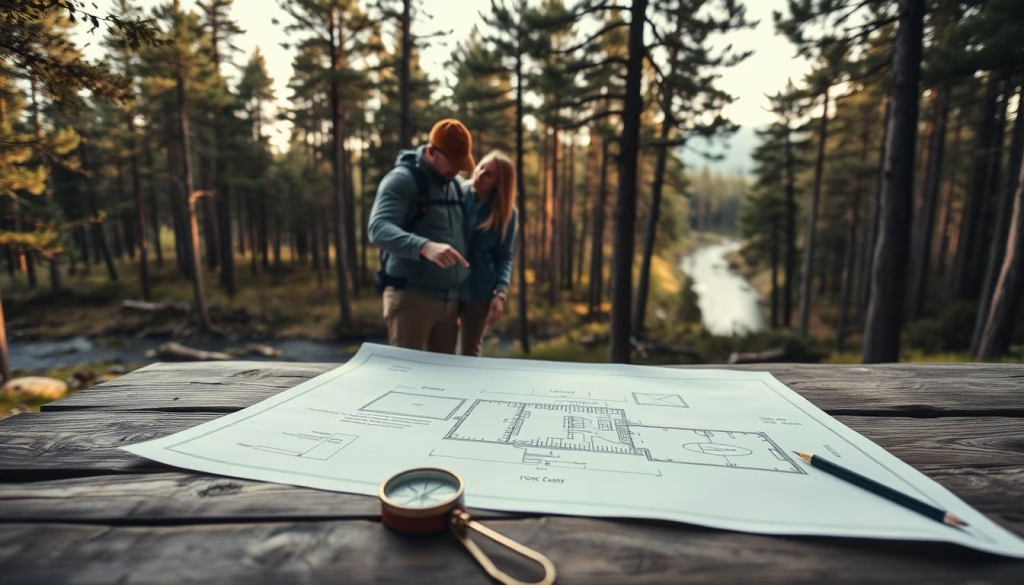
We help you evaluate specific terrain characteristics. Drainage patterns, prevailing winds, and natural resources available on your property all influence your cabin design.
Understanding Local Regulations and Resources
Taking time to plan thoroughly at this stage saves considerable effort later. We recommend multiple visits to your location across different seasons before finalizing your approach.
Understanding local requirements remains essential, even for remote projects. Many areas have standards for setbacks and septic systems that have evolved over the years.
Working with experienced professionals like Tar River Log Homes (1-252-544-5660) provides valuable guidance. They help navigate local considerations in a way that keeps your project moving forward smoothly.
Proper planning ensures your retreat will function beautifully for decades while respecting both your needs and local requirements. This careful approach transforms your chosen place into a lasting sanctuary.
Essential Tools and Materials for Your Log Cabin Kit
Gathering your toolkit is where your project truly begins to take physical form. This stage sets the pace for efficient and enjoyable construction work.
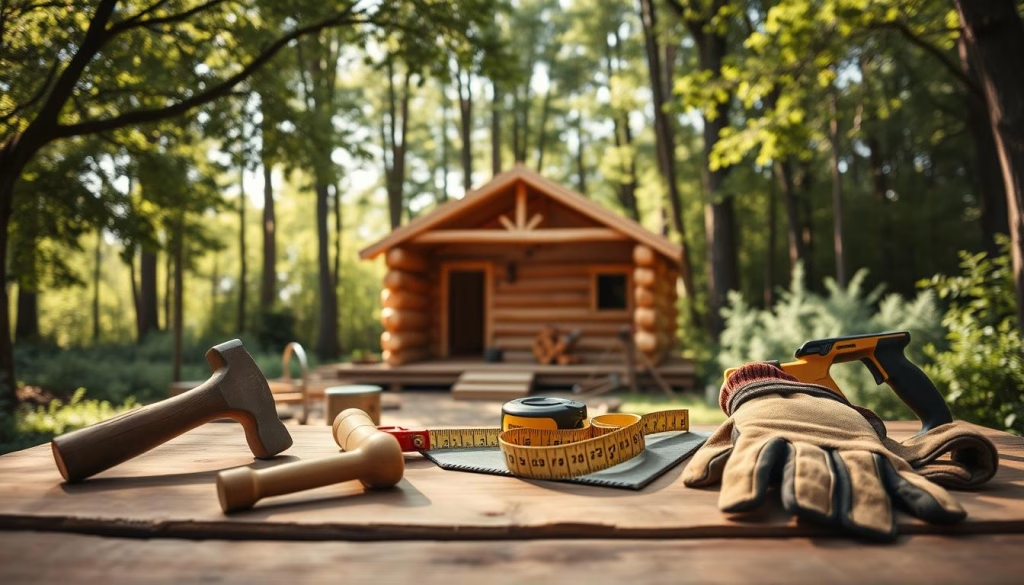
We guide you in selecting equipment that balances professional quality with practical, budget-conscious choices. The right tools transform challenging woodworking into manageable steps you complete with confidence.
Choosing the Right Logs and Milled Lumber
Your selection of log is crucial. Even trees that appear straight can reveal curves once peeled, affecting how they stack.
Understanding these wood characteristics saves considerable time and effort.
This approach gives you complete control over materials. You can produce dimensioned planks and unique live-edge slabs for siding directly from your logs.
Innovative Tools and Techniques from Tar River Log Homes
Specialized implements make a significant difference. Tools like the Bully Floor Scraper and a Log Wizard attachment reduce the physical effort of bark removal.
We also recommend the kind of innovative, homemade tools experienced builders use. A bearing race draw knife, for example, often performs as well as costly alternatives.
For expert guidance on material and tool selection, contact Tar River Log Homes at 1-252-544-5660. Their advice helps you avoid mistakes before starting hands-on work.
Your collection will include both power and hand tools, emphasizing reliability for remote locations. This careful preparation ensures your vision becomes a lasting sanctuary.
Building the Foundation and Framework
This is where your vision truly takes root in the earth beneath your feet. The structural integrity of your entire project depends on this critical phase.
Site Preparation and Foundation Options
Proper site preparation ensures water flows away from your structure rather than pooling underneath. We guide you through clearing, leveling, and drainage considerations.
You have several foundation choices to consider. Cement pads have proven durable for over sixty years. Pier systems and treated timber foundations offer alternative approaches depending on your location and cabin design.
For expert guidance on what works best for your local conditions, contact Tar River Log Homes. Their experience helps you select the right way to establish your base.
Establishing a Durable Frame for Off-Grid Living
Once your foundation is set, framework construction begins. This represents about half of your total construction time. We recommend consistent work, even dedicating one day per week for steady progress.
Using wedge and lever systems allows safe positioning of heavy materials. This approach makes the work manageable whether you’re building solo or with help.
Your frame must accommodate off-grid needs like window placement for natural light and structural support for future solar panels. The principles remain consistent whether you choose traditional log stacking or hybrid construction style.
How to Build a Log Cabin Off Grid: A Step-by-Step Process
Watching your structure emerge through each phase brings deep satisfaction and visible progress. We guide you through this transformative journey from prepared materials to finished retreat.
Log Preparation, Peeling, and Gap Management
Your initial work with raw timber establishes the foundation for everything that follows. Peeling bark by hand creates a direct connection with your materials, though it demands significant physical effort.
Even carefully selected straight logs often reveal curves when stacked together. This creates gaps requiring thoughtful solutions. Traditional methods involve meticulous carving or chinking compounds.
Modern hybrid approaches offer practical alternatives. Milling logs into dimensioned lumber provides structural precision. The natural-edge slabs then become beautiful siding that preserves authentic aesthetics.
Framing, Chinking, and Finishing Touches
The framing phase is where your vision truly takes shape. Each board placed by hand contributes to a structure reflecting your personal commitment. This systematic approach ensures steady progress even working one day per week.
Quality chinking compounds create weather-tight seals between materials. These professional solutions have proven effective over time in countless structures.
Final details transform your project into a comfortable living space. Precise installation of elements like doors requires patience and proper technique. The result is a personal sanctuary ready for memories.
Documenting your journey through video creates a lasting record of achievement. Each step brings you closer to the peaceful lifestyle you’ve envisioned.
Incorporating Off-Grid Amenities and Sustainable Solutions
Your structure truly becomes a home when sustainable systems provide comfort and independence. We guide you through integrating amenities that respect your remote location.
Integrating Solar Power and Rainwater Collection
Solar power systems have transformed modern living. They provide silent, reliable electricity for lighting and devices. This eliminates generator noise and fuel dependence.
Your water supply can come from rainwater collection or hand-pump wells. Roof catchment systems work beautifully with steel roofing. This combination ensures clean water for years.
Efficient Heating, Lighting, and Energy Options
Heating choices match your usage style. Wood stoves create wonderful ambiance using renewable fuel. LP heaters offer convenient backup during cooler seasons.
Lighting has evolved dramatically over the years. Modern LED systems draw minimal power while providing bright illumination. These permanent fixtures eliminate lamp transportation.
The outhouse remains a practical waste management solution. Modern tank systems require pumping every few years. Community members often share installation techniques through video resources.
Planning these systems during construction ensures seamless integration. Your place becomes a complete, self-sufficient retreat that serves you reliably for decades.
Conclusion
The knowledge shared here empowers you to create a lasting legacy with your own hands. Your dream of peaceful, self-sufficient living is entirely achievable with proper planning and dedication.
Thanks to the supportive community of members who share their experiences through posts, replies, and video documentation, this journey has become more accessible than it was years ago. Every user contribution helps future builders succeed.
We at Tar River Log Homes are here to guide you through every step. Contact us at 1-252-544-5660 to discuss your specific location and project needs.
Your personal sanctuary awaits—a testament to craftsmanship and self-reliance that will serve you beautifully for decades to come.


