Log Home Building Basics: A Room-by-Room Guide for Creating Your Dream Cabin
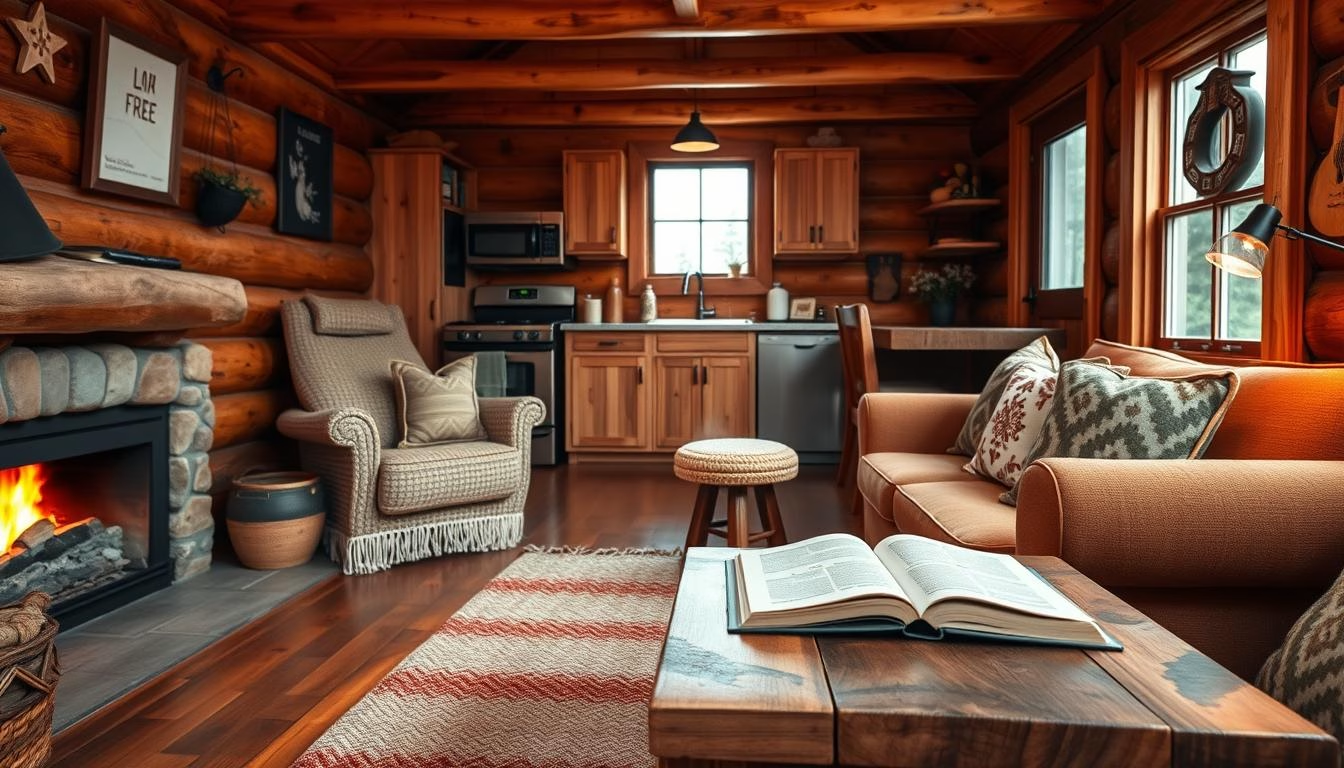
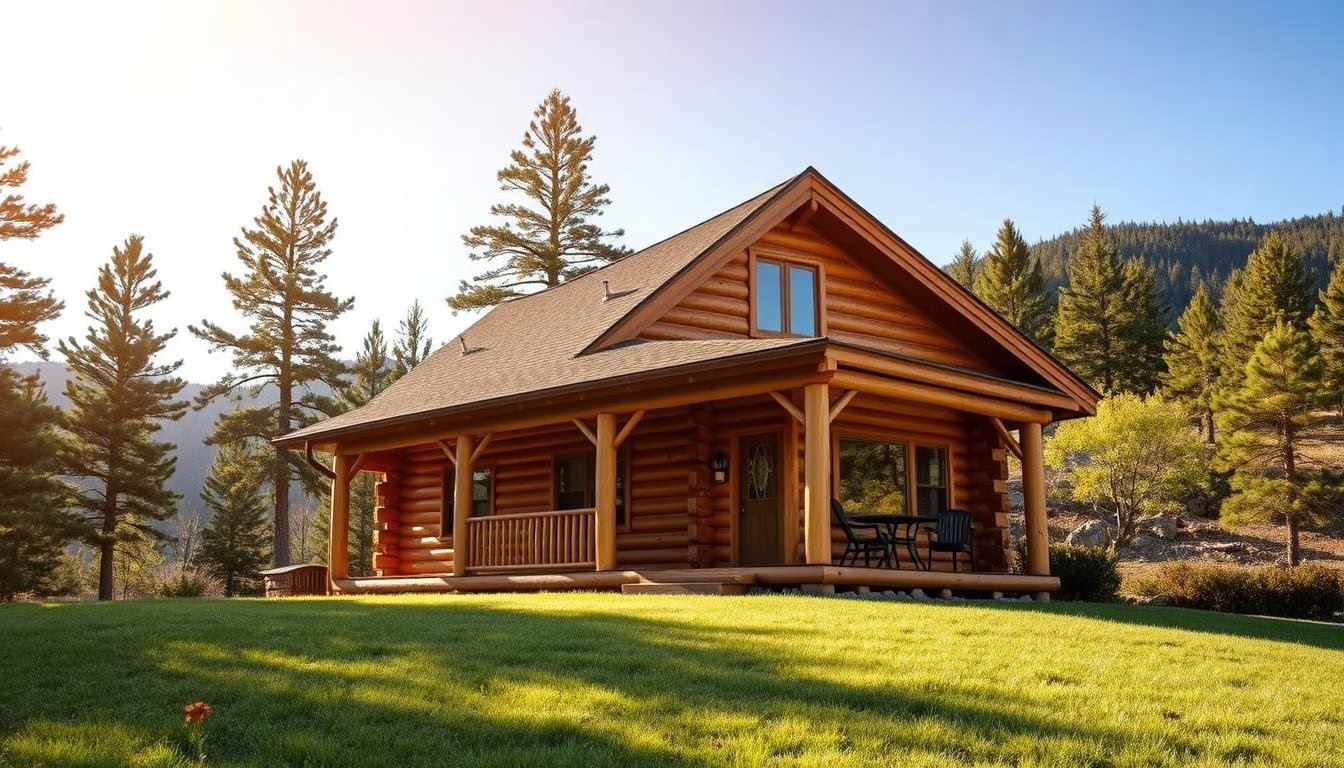
Tackling a log home project becomes much more manageable when you break it down room by room. This concise guide gives you practical, design-forward tips for each space so your build stays on schedule and works for how you live. Not every log cabin needs to be a luxury showpiece — the best results begin with solid basics: efficient layouts, properly planned walls and joints, and material choices that suit year-round use. We explain those fundamentals and the trade-offs you’ll face so you can make confident decisions. As experienced builders focused on quality log cabin building, Tar River Log Homes outlines realistic expectations and room-level guidance for living rooms, kitchens, bathrooms, and bedrooms — including straightforward advice about logs, wood finishes, and construction details that will help you plan. Who this is for: whether you’re a DIY-minded owner or working with a contractor, this guide covers ideas you can use. Be aware that local codes and site conditions (soil, trees, roof exposure) can affect design and permitting — always confirm requirements with your builder or local authority. What you’ll learn: quick links to each section below make it easy to jump to the room you’re planning — Kitchen, Bathroom, Bedroom, Living Room — plus practical sizing tips and build considerations to help you visualize your log house and move forward with the process. Log Cabin Kitchen Essentials The kitchen is the heart of a cabin — whether you’re cooking a weeknight meal or feeding a crowd after a day outdoors. For a functional kitchen in a log cabin, prioritize work surfaces, smart storage, and an open layout that keeps traffic flowing between the kitchen and the great room. After hiking, fishing, or chores around the site, you’ll be glad for generous countertop area and durable materials. Many of our log homes have open floor plans because an island-friendly layout makes the kitchen a true work hub and connects people across the living space. If you expect to entertain, size appliances and storage for larger loads: a roomy oven range, an efficient dishwasher, and tall cabinets or a pantry for bulk items. Choose wood or engineered surfaces that stand up to cabin life — muddy boots, pets, and seasonal humidity — and pick tops that can be refinished over time. Log Cabin Kitchen Essentials Checklist (with quick how-to): Island dimensions: Plan an island 6–8 feet long for a typical cabin kitchen; leave 36–42″ clearances for easy traffic and appliance access. For a small 8×10 cabin kitchen, a 6′ island with seating on one side works; for an open 16×20 great-room kitchen, a larger 7’–8′ island with integrated storage is ideal. Open layout: Connect the kitchen to the great room to simplify circulation and sight lines — this supports social cooking and makes cleaning up quicker after gatherings. Durable countertops: Use butcher block, engineered stone, or hardwood-friendly boards for long life; choose finishes that tolerate moisture and can be sanded or resealed as needed. Storage solutions: Tall cabinets, pull-out pantry units, and under-island storage maximize space in a compact cabin and keep bulk gear out of sight. Appliance planning: Size appliances to your lifestyle; if you build cabin plans for groups, consider a larger-capacity range and a high-efficiency dishwasher. Coordinate electrical and plumbing early so runs work with log-wall construction. BONUS: Consider dedicated wine/beer storage or a refrigerated beverage drawer for easy entertaining. Quick practical notes: If your cabin uses full-diameter logs for walls, plan door and window openings with your builder early so settling and joints are accounted for. For island design, include built-in storage on both sides and choose a top material and edge detail that can be refinished without disturbing surrounding log finishes. Want help sizing an island, choosing cabinet styles, or planning appliance runs around log walls? Contact Tar River Log Homes to review kitchen layout options, recommended materials, and practical steps for wiring and plumbing that fit cabin construction and your lifestyle. Rustic Log Cabin Bathroom Basics Most cabins include at least one full bathroom, and many modern log homes add a guest bath plus an upgraded master bath. When you design bathrooms in a log house, focus on durable fixtures, straightforward layouts, and ventilation that keeps moisture from harming wood walls and log joints. A reliable toilet and a tub‑shower combo are common staples because they give flexibility for families and guests. For vanities, choose solid wood or well‑sealed engineered materials that tolerate humidity; include storage below and consider overhead shelving to make the most of smaller footprints. Ventilation and moisture control (do / don’t): Do vent exhaust fans directly to the outside — not into an attic — to remove humid air and protect logs and insulation. Do consider a small dehumidifier or a heat‑recovery ventilator if the cabin is used year‑round to reduce condensation on walls and windows. Don’t rely on passive attic ventilation to control bathroom moisture; it can trap humidity and damage wood over time. If you plan a heavy soaking tub, verify floor load capacity and structural support during the build‑log‑cabin planning process — this is a job for your structural engineer or builder. For walk‑in showers, use proper waterproof substrates and flashing where tile meets windows, doors, or log intersections. Rustic Log Cabin Bathroom Basics Checklist: Vanity with sealed storage and durable finish (solid wood or well‑sealed engineered product) Functional toilet (or bidet where codes allow) and properly planned plumbing runs Tub‑shower combo or dedicated shower with correct waterproofing and drainage details BONUS: Soaking tub or spa shower — confirm floor support, venting, and local code requirements Quick examples: a compact guest bath (5×8) typically fits a tub‑shower, single vanity, and toilet with comfortable clearances; a master bath (8×12) allows room for a larger vanity, separate shower, and a soaking tub if structure allows. Have questions about plumbing runs, exhaust placement, tile substrates, or materials that work best with log walls? We can review your plans — schedule a layout check with Tar River Log Homes to ensure your fixtures and finishes suit cabin construction and local codes. Log Cabin Bedroom Necessities After a long day enjoying the trees and trails, your bedroom should feel warm, roomy, and comfortable — not cramped or chilly. Good bedroom design in a log cabin balances cozy rustic finishes with a thoughtful layout and enough daylight to make the space welcoming year-round. Bedrooms in log cabins often rely on furniture and textiles to create that inviting vibe. Choose a sturdy wooden bedframe, layered bedding, and rugs that add warmth and help insulate the floor. Aim for window openings sized to bring in natural light while minimizing heat loss — a common starting point is groupings of 3‑foot‑wide windows or a larger picture window that preserves most of the log wall for structural continuity. Practical clearances and mounts: Allow at least 30–36 inches of walking space around the bed and 24–30 inches in front of dressers or closet doors. If you plan to mount shelves, TVs, or fixtures to log walls, plan anchor points early — log joints and trunk diameters affect fastener selection and placement, so coordinate with your builder. Insulation and glazing tip: Window area improves daylight and views but reduces continuous log insulation. For colder climates choose higher‑performance glazing (double or triple pane) and thermally broken frames, and add insulated window trim or storm windows where appropriate to keep heat in during winter. Small-room vs. master examples: Compact primary (10×12): Fits a queen bed, two small nightstands, and a dresser with 30″ clearances; use built‑in storage or a wardrobe to save floor space. Master bedroom (14×16+): Allows a king bed, seating area, and walk‑in closet; larger window groupings or a picture window can frame views while keeping most of the wall intact for log construction. Log Cabin Bedroom Checklist: Plenty of windows for natural light and nature views (balance window size with insulation needs) Rustic, durable furniture and fixtures chosen to suit cabin life Open layout for furniture and storage with practical clearances (30–36″ around the bed) BONUS: Walk‑in closet or built‑in storage tailored to your cabin’s size Want help laying out a bedroom for your build log cabin project or coordinating window and door openings with your builder so ends and joints settle correctly? Contact Tar River Log Homes to review bedroom plans, glazing options, and anchor recommendations based on your chosen log diameter and wall type. Cozy Log Cabin Living Room Fundamentals A log cabin living room should feel warm, welcoming, and durable — the central place where family and guests gather. Design choices that prioritize natural light, comfortable sight lines, and flexible seating make the great room the social hub year‑round while respecting the practical needs of log construction. To achieve a spacious, airy feel in a cabin living room, consider designs that allow higher ceilings and well‑placed skylights or clerestory windows. A tall volume (commonly 16’–20′ in dramatic great rooms) brings light and presence, but remember higher ceilings change heating loads and roof structure. Properly sized skylights and window groupings can admit daylight deep into the room without compromising the integrity of log walls and joints when detailed correctly.