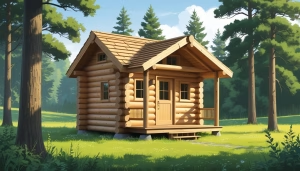
If you’re planning a small cabin project, understanding how much small log cabin kits cost helps you budget confidently and avoid hidden surprises. Prices often depend on materials, design complexity, and how much of the work you handle yourself.
At Tar River Log Homes, we believe building your dream cabin should be affordable and transparent. With wholesale-direct pricing and kiln-dried Eastern White Pine logs, you get high-quality materials without inflated markups—helping hardworking builders save on every square foot.
In this guide, you’ll learn the real costs behind small log cabin kits, what’s included in each package, and smart budgeting strategies to make your project practical, durable, and within reach.
Average Cost of Small Log Cabin Kits
Knowing what log cabin kits cost helps you plan your budget better. Prices vary by size and by what’s included. Be ready for extra fees that are not part of the kit price.
Price Ranges by Cabin Size
Small log cabin kits, usually around 500 square feet, generally cost between $25,000 and $50,000 for the kit itself. That price covers the main materials but nothing else.
Prices often break down to $50 to $100 per square foot for the kit alone, depending on the quality of logs and design details. Larger or more complex cabins will cost more, but for small cabins, the range stays within those limits.
What’s Included in the Price
A small log cabin kit usually includes logs cut and prepared for assembly, windows, doors, and fasteners needed to put the cabin frame together.
Items not included are the foundation, roofing materials, plumbing, electrical wiring, and interior finishes such as cabinets or flooring. The kit focuses on the main structure made from quality logs.
You get a package designed for people who want to build the cabin themselves or hire local contractors for the rest. This transparency lets you pick exactly what fits your budget and skills.
Extra Fees to Expect
Besides the kit price, budget for work like the foundation, which can add several thousand dollars. Labor costs for installation vary and can often match or exceed the kit price.
- Plumbing and electrical hookups
- Insulation and interior walls
- Roofing materials and installation
- Permits and site prep
These extras can add up, so keep track of them to avoid surprises.
Understanding Land and Permit Costs
Land and permit costs can significantly impact your final cabin price. According to the U.S. Department of Housing and Urban Development (HUD), permit fees and site preparation expenses can add 10–20% to overall construction costs.
It’s best to check local zoning rules before buying your kit, ensuring your chosen site meets cabin and utility requirements.
Types of Small Log Cabin Kits
When choosing a small log cabin kit, understand how different types affect the building process and final look. Kits vary in log preparation, customization, and what comes in the package. Paying attention to these details helps you pick the right fit for your budget and skill level.
Pre-Cut Log Cabin Kits
Pre-cut log cabin kits come with logs cut and shaped for quick assembly. Logs are labeled and sized precisely, making the cabin easier to put together. This makes pre-cut kits good for beginners or those wanting to save time.
These kits usually include everything needed for the walls, like logs, fasteners, and sometimes detailed instructions. They often don’t include foundations, plumbing, or electrical setups. Prices can range from about $25,000 to $50,000 for small kits around 500 square feet.
Pre-cut kits often use Eastern White Pine or other quality woods, balancing cost and durability.
Milled Log Cabin Kits
Milled log cabin kits use machine-cut logs with smooth, uniform shapes. These logs fit tightly together, which helps with insulation and reduces maintenance. Milled logs are easier to stack, so the building process is neat and tidy.
These kits usually cost a bit more than pre-cut versions, starting around $30,000 and increasing with size. Precision milling also allows for custom styling, like unique corner joints or decorative grooves.
If you want a tighter seal and fewer visible gaps, milled kits might be right for you. Milled logs give a polished look that lasts longer with less upkeep.
Custom vs. Standard Kits
Standard kits come with fixed floor plans and set sizes. They are often more affordable because the design is already done, helping you save money if you want a straightforward project.
Custom kits let you pick your own design, size, and materials. You can choose the number of rooms or special features. This option costs more but gives you full control over the finished home.
If you want a simple cabin on a tight budget, a standard kit is a good choice. For a home that fits your exact needs, custom kits offer flexibility with clear pricing. Make sure the kit matches your building skills and timeline.
Factors Influencing Log Cabin Kit Costs
Several key factors shape how much a small log cabin kit costs. These include the wood and materials used, design complexity, and supplier location. Knowing these details helps you plan better and avoid surprises.
Material Quality
The type of wood and materials directly affect the price. Better wood, like Eastern White Pine, costs more but lasts longer and looks nicer. Lower-quality wood or softer timber may lower your upfront cost, but could mean more repairs later.
Other materials matter too. Insulation, roofing, and windows can increase costs but affect comfort and energy bills. Consider whether logs are kiln-dried or air-dried. Kiln-dried wood costs more but reduces shrinkage and cracking, saving money in the long run.
Design Complexity
Simple designs with fewer corners and straightforward layouts are easier and cheaper to build. If you want features like porches, lofts, or multiple rooms, expect costs to rise.
Customizing your cabin kit adds to the price. Choosing a unique floor plan or special finishes will raise costs. Prefab kits often have basic designs, while full custom builds cost more.
A cabin’s size also impacts cost. Small kits usually start around $20,000, but adding design details and upgrades can quickly increase the price.
Supplier Location
Where your kit comes from impacts shipping and availability. If the supplier is far away, transport costs add up because log cabin kits are heavy and bulky.
Choosing a local maker reduces these expenses. Local suppliers also make it easier to get support if you run into problems. When comparing prices, factor in shipping and delivery times. Sometimes a cheaper kit becomes costly once you add freight charges.
Popular Brands and Kit Providers
When choosing a small log cabin kit, know who makes them and what sets each apart. Look for brands that offer good materials, fair prices, and support that fits your building plans. Comparing providers helps you get the best value for your money and peace of mind during your project.
Top Small Log Cabin Kit Brands
Some log cabin brands focus on quality and strong materials, while others highlight affordable pricing or easy assembly. You’ll find kits that range from simple hunting cabins to fully customizable small homes.
Most providers include detailed instructions, custom options, and durable materials. Prices vary, but smaller kits usually start around $18,000 to $25,000. Look for brands that guarantee quality and offer transparent pricing without hidden fees.
How to Compare Providers
Start by checking what each provider includes in their kit. Some only supply logs, while others add roofing, siding, and hardware. Factor in what you’ll need to buy extra, such as insulation or nails. A good rule is to double the kit price to estimate your total project cost.
Check the materials’ quality, such as kiln-dried, precision-cut logs. Customer reviews and support availability matter too. Ask how much customization is allowed and what the assembly process looks like.
Compare shipping costs and lead times since they can affect your budget and timeline. Pick a provider that fits your building skills and stays honest about what they offer—no fluff, just solid value.
Hidden Costs and Budgeting Tips
Building a small log cabin kit costs more than just the price of the kit. Plan for extra fees like shipping, permits, land preparation, and finishing touches inside. Knowing these can help you avoid surprises and keep your budget on track.
Shipping and Delivery Charges
Shipping your log cabin kit usually isn’t included in the base price. Costs depend on how far the materials must travel and the size of the order.
Expect to pay a few hundred to a few thousand dollars for delivery. If your building site is hard to reach, prices go up.
Many companies offer clear shipping estimates before you order. When budgeting, factor in delivery—even if your kit feels affordable at first.
Permitting and Site Preparation
Before setting up your cabin, you must get permits from your local government. These usually cost from $500 to $2,000 or more, depending on your location and the project size. Site preparation is another expense.
Clearing trees, leveling land, or adding a foundation can add thousands. You might also need to pay for a driveway or utility hookups. Check with your local office early in the process to understand the rules and fees. This can save delays and unexpected bills.
Finishing and Interior Costs
The kit often comes as a shell with walls and a roof but without inside finishes. You’ll need to budget for insulation, drywall, flooring, cabinets, and plumbing.
Interior costs vary widely, but plan on spending at least 25-40% of your total budget on these. Think also about heating systems, wiring, and fixtures. Knowing these finishing costs can keep your project realistic and smooth.
Installation and DIY Considerations
When you consider installing your small log cabin kit, decide whether to hire builders or do it yourself. Either way, you need the right skills and tools for the project.
Hiring Builders vs. DIY
Professional builders assemble your cabin quickly and correctly, saving you time and reducing mistakes. However, hiring labor increases your total cost. If you choose to build it yourself, prepare to spend more time and effort.
Building a log cabin requires patience and attention to detail. DIY works well if you have some construction experience or want to learn.
Tools and Skills Needed
You need basic tools like drills, saws, levels, and ladders. Safety gear, such as gloves and goggles, is also important. Many log kits include pre-cut materials for easier assembly. You should feel comfortable reading blueprints, measuring accurately, and handling heavy materials.
Carpentry skills help you fit logs tightly to avoid leaks and drafts. If this feels overwhelming, hiring a professional may be better. If you enjoy hands-on work and learning, you can build your own cabin with the right guidance and clear plans.
Best Uses for Small Log Cabin Kits
Small log cabin kits offer flexibility and affordable space to fit your lifestyle. Use them as a getaway spot, extra living space, or a quiet work area. These cabins are practical and easy to build with quality materials.
Vacation Homes
A small log cabin makes a cozy vacation home without high costs. These cabins provide a simple place to unwind, close to nature, and away from city noise. Most range from 400 to 800 square feet, offering enough space for sleeping, cooking, and relaxing without extra upkeep.
Smaller cabins cost less to heat and maintain, making them ideal for seasonal use. You can choose designs with porches or lofts for more comfort. Kits made from eastern white pine hold up well in different climates, so your vacation home lasts for years.
Guest Houses
A small log cabin works well as a guest house, giving visitors their own space and privacy. These cabins can offer a separate living area with a bedroom, bathroom, and small kitchen. They are perfect for short or long visits without crowding your main house.
You can set up a guest house quickly since many kits include easy-to-follow plans. This saves money and time. A guest house adds value and flexibility to your property while keeping things simple and functional.
Home Offices
A small log cabin is a smart solution for a home office. With remote work on the rise, having a quiet, dedicated space boosts focus and separates work from home life. Cabins between 100 and 400 square feet work well for an office setup with a desk, shelves, and natural light.
Building a log cabin office lets you customize the space to fit your needs and style. You can start with a basic shell and add insulation or electricity as needed. Kits allow you to control the design and materials, so your office feels just right without extra cost or hassle.
How to Choose the Right Kit for Your Needs
To pick the right log cabin kit, match your space needs and features with your lifestyle and budget. Think about how much room you need and what kind of cabin works best for you. Consider special touches or options that make your cabin feel like home.
Assessing Size Requirements
Start by deciding how much space you really need. Are you building a weekend getaway or a full-time home? Small cabins often range from under 500 square feet to around 700 square feet. If you only need space for sleeping and relaxing, less space might be enough.
Plan for storage and any future needs. Maybe you want space for guests or a workspace. Choosing the right size helps manage costs and keeps building simpler.
Evaluating Features
Check what comes with the kit and what you might want to add. Some kits include insulated walls, pre-cut logs, and roof materials. Others offer options like lofts, porches, or bigger windows.
Think about how you’ll use your cabin. Do you need a kitchen setup or just a basic shell? Are you planning to live there year-round or occasionally? Pick features that match your needs, not extras that raise the price.
Focusing on must-haves helps you stay within your budget and build a cabin that works well for you.
Where to Buy Small Log Cabin Kits
When you’re ready to buy a small log cabin kit, look for a company that values quality and fair pricing. Choose suppliers who offer wholesale prices with no hidden fees. You receive the materials you need, delivered to your building site.
Look for logs that last and kits that are easy to assemble. Eastern White Pine, kiln-dried and cut for strength, works well for cabins. Pick the design that fits your needs, and get all the right parts for your project. This approach means no surprises and ensures you have everything needed to build.
Buying directly from a supplier saves money by cutting out middlemen and showrooms. More of your budget goes into quality materials. Some companies also offer a price guarantee, so you feel confident you’re getting the best deal.
Before buying, check if the company supports DIY builders with simple plans and clear instructions. Choose your style, and make sure the process is easy, whether you build it yourself or with help.
Building Small, Saving Smart
Small log cabin kits make homebuilding simple and affordable, especially when you know what to expect from each step of the process. With the right plan, you can enjoy the satisfaction of building a strong, comfortable retreat without breaking your budget.
With Tar River Log Homes, you get honest pricing, durable kiln-dried logs, and a 105% price guarantee—so you know every dollar counts. The process stays transparent from the first quote to delivery, ensuring quality without the stress.
Ready to start building your small log cabin? Request a free quote, compare kit options, and see how easy it can be to turn your plans into a solid, affordable home.
Frequently Asked Questions
Small log cabin kits vary in price based on size, materials, and extras. Knowing typical costs and where to shop helps you make smart choices.
What’s the average cost of a small log cabin kit?
Small log cabin kits usually start around $25,000 for a basic 500-square-foot kit. Prices can reach up to $50,000 depending on materials and features included.
Can I find log cabin kits for under $10,000?
Finding quality kits under $10,000 is very rare. Most affordable kits start above that, with a few exceptions for very small or simple kits. Prices usually reflect the materials and build options.
Where to find the best deals for prefab cabin kits?
Look for companies that sell directly to customers, cutting out middlemen. Checking local dealers and online kit suppliers can also help you find good value.
What are the price ranges for small log cabin kits?
Small cabin kits often range from $25,000 to $50,000 for about 400 to 600 square feet. More customized plans or larger kits can push prices to $100,000 or more.
Is purchasing a log cabin kit more affordable than building from scratch?
Yes. Buying a kit usually costs less because the materials come pre-cut, and the plans are ready to go. This reduces labor and waste. However, you should budget for extra expenses like labor and permits.
How much should I budget for a 400 sq ft cabin kit?
A 400 square foot cabin kit usually costs between $20,000 and $30,000 for the basic materials. Doubling that estimate covers labor, foundation, and finishing work for a complete build. You can find quality materials at fair prices from various suppliers.