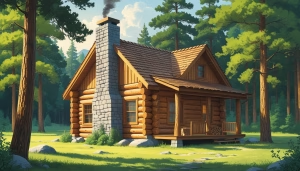
Log Cabin Cost Explained: What to Expect When Building Your Dream Retreat
Building a log cabin is an exciting project, but understanding log cabin cost from the start helps you make informed choices and stay on budget. Prices can range from $30,000 to $200,000 or more, depending on your cabin’s size, materials, and features.
At Tar River Log Homes, we believe in straightforward, honest pricing—no hidden markups or confusing sales tactics. Every kit uses kiln-dried Eastern White Pine logs for strength and durability, shipped directly to you at wholesale pricing.
This guide explains what drives log cabin costs in 2026, from materials to location and upgrades. You’ll also find budget tips and real examples that show how to balance quality, comfort, and cost—without giving up your dream retreat.
Key Takeaways
- Log cabin costs vary based on size, materials, and design choices.
- Transparent pricing helps you avoid hidden fees and stay within your budget.
- Customization options influence the final price but give you control over your dream home.
Average Log Cabin Cost Overview
Building a log cabin means balancing price, quality, and customization. Understanding where costs typically fall, what influences those costs, and how cabins compare to other home styles can help you plan better.
National Price Ranges
Across the U.S., average log cabin prices usually range from $150 to $300 per square foot. Smaller cabins cost less overall but may have a higher per-square-foot price due to setup and shipping fees. A basic 1,200-square-foot cabin can cost between $180,000 and $360,000.
Prices vary by region because of labor, materials, and transportation costs. For example, cabins in the Pacific Northwest may be pricier due to higher wood prices and demand, while the Southeast often sees more affordable pricing. Shipping quality materials directly can help cut extra costs.
Factors Affecting Average Cost
The biggest cost drivers are log type, design complexity, and finish level. Eastern White Pine is common and affordable. If you want thicker logs or custom milling, prices go up.
Your log cabin plan also affects cost. Simple rectangular designs keep costs down, while multi-level or irregular shapes require more labor and materials. Adding porches, decks, or specialized roofing increases expenses.
Labor choices play a role, too. If you build yourself, materials are your main cost. Hiring contractors raises total costs but gets you faster, guaranteed work. Location impacts labor prices and shipping fees.
Comparison to Other Home Types
Log cabins usually cost more per square foot than stick-built homes but less than many custom timber or stone houses. They provide better insulation and a unique, rustic look that increases resale value in certain areas.
Unlike manufactured homes, log cabins offer genuine solid wood construction. That durability can lower energy bills and maintenance over time, saving money beyond initial costs.
Key Factors Influencing Log Cabin Pricing
Several elements affect the cost of your log cabin, including where you build, how big you want it, and the kind of wood you choose. Understanding these can help you plan your budget wisely and get the most value for your money.
Location and Land Costs
The cost of the land plays a big role in your overall expenses. If you pick a rural or hard-to-access area, expect extra charges for site preparation, permits, and utility hookups. Urban or sought-after locations typically cost more upfront for the property itself.
Weather and local building codes also impact cost. Some areas require specific insulation, foundation types, or construction methods to meet regulations, which can add to your price. Consider accessibility for delivery trucks, especially for heavy log materials.
Size and Square Footage
The bigger your cabin, the more you’ll spend. Square footage is a straightforward driver of cost because more logs and materials are needed. But it’s not only size; the complexity of your floor plan matters too.
Open designs or multiple stories may raise labor costs. Additions like porches or decks also factor in. For a balance between space and price, focus on efficient layouts that maximize living area without waste.
Log Type and Wood Species
Logs aren’t all the same. The wood species you select can affect price and durability. Eastern White Pine, for example, is a popular choice due to its good strength-to-weight ratio and affordability.
Hardwoods like cedar or oak last longer and resist pests better, but they cost more. Kiln-dried logs reduce shrinkage and maintenance but come at a higher price. Decide what fits your budget and how much upkeep you want over time.
| Wood Species | Cost Range | Durability | Maintenance |
| Eastern White Pine | Affordable | Moderate | Low with treatment |
| Cedar | Mid to High | High | Low |
| Oak | High | Very High | Moderate |
Choosing the right wood impacts both the look and lifespan of your cabin, so pick carefully to fit your needs.
Construction Methods and Their Costs
When planning your log cabin, your construction method will greatly impact your budget and timeline. Different approaches offer various levels of control, cost, and complexity to fit your needs and skills.
Energy Efficiency Adds Value and Lowers Long-Term Costs
The U.S. Department of Energy reports that energy-efficient log homes can save up to 20% annually on heating and cooling when built with proper sealing and insulation. Choosing kiln-dried logs, tight-fitting joinery, and modern insulation under roofs and floors enhances performance and keeps your cabin comfortable year-round.
Kit Versus Custom Builds
Log home kits come with pre-cut logs and detailed plans, making them quicker and easier for you or contractors to assemble. Kits typically cost less upfront, with prices often starting around $80 to $150 per square foot, depending on size and quality.
With a kit, much of the design and cutting work is done for you. This reduces labor costs and construction time but limits customization options.
Custom builds offer full design flexibility tailored to your preferences. They can range from $200 to $350+ per square foot because you’ll pay for more detailed planning, special materials, and skilled craftsmanship. Custom builds let you control every detail but require more patience and involvement.
Modular and Prefabricated Options
Modular and prefabricated cabins combine factory-built components that are transported to your site. These homes tend to reduce construction time and labor expenses compared to traditional builds.
Costs generally fall between $120 and $180 per square foot. You save on-site labor, but shipping and crane work can add fees, especially in rural areas.
Prefabrication delivers consistent quality and precision, which helps avoid on-site errors that increase costs. This method is great if you want a faster build with many of the benefits of a customized home.
Traditional Handcrafted Cabins
Handcrafted cabins are built entirely on-site by skilled log builders, usually involving hand-scribing and fitting each log individually. This method is the most labor-intensive and costly.
Prices can climb above $300 per square foot due to craftsmanship time and complexity. You get a unique, authentic cabin with exceptional durability, but expect a longer timeline and higher overall investment.
If you choose this route, you’ll want to work closely with experienced craftsmen. Using high-quality, kiln-dried Eastern White Pine logs can make your build smoother and more stable.
Design Choices and Upgrades
Your choices for design and upgrades directly affect both the look and cost of your log cabin. Picking the right roofing style and adding porches or decks can improve durability and expand your living space, while fitting your budget.
Roofing Styles
Choosing the roofing style impacts how well your cabin handles weather and how much you spend. Common options include metal roofing, asphalt shingles, and wood shakes. Metal roofs cost more upfront but last longer, resist fire, and reflect heat, which can save on cooling costs.
Asphalt shingles are budget-friendly and easier to install, but they may need replacement every 15-20 years. Wood shakes give a classic look that matches log cabins well, but require regular maintenance to prevent rot or insect damage.
Tip: Choosing a durable roofing material upfront can reduce repairs and overall cost in the long run.
Porches and Decks
Porches and decks add living space and improve your cabin’s curb appeal, but they come with added costs. A simple wooden porch can be built with pressure-treated lumber or cedar for around $15-$30 per square foot. Adding railings, stairs, or custom details raises the price.
Decks extend your outdoor area, making the cabin feel larger and more functional. Covered porches protect you from the sun and rain, increasing year-round use. Consider how much time you’ll spend outdoors to decide on size and features.
Additional and Hidden Expenses
Building your log cabin involves costs beyond just the materials and labor. You’ll want to budget for necessary permits, preparing your building site, and hooking up utilities. These fees often add up and can surprise first-time builders.
Permits and Inspections
Before construction starts, you’ll need permits from your local government. These ensure your build meets safety and zoning laws. Permit costs vary widely but usually range between $500 and $2,000, depending on location and project size.
Inspections are part of the process, too. Your home will need periodic checks to pass codes related to structure, electrical work, and plumbing. Inspection fees can add several hundred dollars.
Site Preparation Fees
The land where you build often needs work before your cabin can go up. Clearing trees, leveling ground, and removing rocks or debris all cost money. On average, site prep runs from $1,000 to $5,000.
If your lot is steep or heavily wooded, costs can climb higher. You may also need to install drainage or retaining walls to protect your cabin’s foundation.
Utilities Installation
Connecting water, electricity, and sewage to your cabin is another major cost. Running utility lines can range from $3,000 to $10,000, depending on the distance to the nearest hook-up point.
If public utilities aren’t available, you might need a well, septic system, or even solar panels. These can add thousands to your budget. Costs include equipment, permits, and labor for trenches, hookups, and meters. Factor these in to get an accurate idea of your total log cabin expenses.
Financing and Budget Planning
Planning your log cabin budget means understanding loan options, ongoing upkeep costs, and how your cabin’s value might change over time. Knowing these details helps you avoid surprises and keeps your project on track financially.
Loan Types for Log Cabins
You have several loan options based on your cabin type and land ownership. A construction loan funds your build phase, usually with higher interest and short terms. Once built, you can convert this to a permanent mortgage.
If you already own land, a traditional mortgage may work. For remote or off-grid cabins, some lenders offer specialty loans, but they often have strict approval requirements.
Key loan options:
- Construction loans (short-term, higher rates)
- Permanent mortgages (longer terms, lower rates)
- USDA or VA loans (if eligible for rural properties)
Estimating Ongoing Maintenance
Log cabins need regular care to protect your investment. Maintenance includes treating logs for pests or rot, sealing gaps, and inspecting roofs. Plan for annual or biannual inspections.
Typical maintenance expenses range from $1,000 to $3,000 per year, depending on your local weather. Proper upkeep prevents costly repairs and keeps your cabin comfortable and safe.
- Log staining/sealing every 3-5 years
- Gutter and roof checks yearly
- Pest control treatments
Resale Value Considerations
A well-built log cabin holds value if maintained. Factors affecting resale include location, build quality, and finishes. Custom features can add appeal, but may not always increase resale price proportionally.
Focus on durable materials, energy efficiency, and classic designs that age well. Market demand for log homes in your region can vary, so do research before building.
Regional Log Cabin Cost Differences
The price of building a log cabin varies depending on where you plan to build. Popular locations, climate challenges, and local labor rates shape your final cost.
Popular States and Areas
Log cabin prices often reflect regional demand and material availability. States like North Carolina, Tennessee, and Montana have more log homes, which can lower costs due to local suppliers and skilled labor.
California and the Northeast are pricier because of higher land costs and stricter building codes. In less popular areas, you might pay extra for transporting materials or specialized crews.
Climate Impact on Costs
Areas with harsh winters or heavy rainfall bring extra expenses for weatherproofing. Insulation, sealing, and moisture barriers are crucial to protect your log cabin. Hot, dry regions may require special treatments to avoid wood cracking or warping.
These adaptations add cost but keep your cabin durable and comfortable. Consider the climate carefully, as it affects both upfront costs and long-term maintenance. Investing in proper materials upfront often saves money over time.
Local Labor Market Effects
Labor costs vary across the country based on the local economy and construction demand. In rural areas with few log home builders, skilled labor can be scarce and more expensive.
In populated regions, competition among builders can lower labor costs, but urban areas usually have higher wages and permit fees. You can reduce expenses by doing some work yourself or hiring subcontractors for simpler tasks.
Ways to Save on Log Cabin Construction
Saving on your log cabin doesn’t mean cutting corners on quality. You can reduce costs by deciding how much work you want to do yourself and by finding materials close to your build site to avoid extra shipping fees.
DIY Versus Professional Builders
Taking on some or all of the cabin construction yourself can save a significant amount on labor costs. If you have basic carpentry skills, consider handling framing, finishing, or installing windows and doors.
Hiring professionals can speed up the build and reduce mistakes, but it comes with higher labor charges. For big structural work or complex systems like electrical or plumbing, professionals often save you money over time through their expertise.
Value your time and tools. Sometimes, experienced workers make your project smoother and help you avoid costly fixes later.
Sourcing Materials Locally
Buying logs and cabin materials near your building site lowers delivery costs and transit damage risks. Local suppliers often have timber options suited to your area’s climate and conditions.
Look for sustainably harvested or kiln-dried logs since they are more stable and easier to work with. Choosing suppliers who process logs regionally can cut down waiting times.
Shipping in bulk also reduces expenses compared to buying piecemeal from general hardware stores. Buying smart and planning your project’s labor needs helps you get a durable log home that fits your budget.
Building Smart Means Spending Wisely
Your log cabin isn’t just a building—it’s a long-term investment in comfort, craftsmanship, and peace of mind. Understanding log cabin cost helps you choose the right design, materials, and features for your budget while ensuring your home lasts for generations.
At Tar River Log Homes, we provide clear, honest quotes and a 105% Price Guarantee, meaning if you find the same quality for less, we’ll beat it. You’ll get reliable service, high-quality Eastern White Pine, and full control over your project from start to finish.
Whether you’re building a small getaway or a full-time family home, you deserve straightforward pricing and solid craftsmanship. Let’s make your dream retreat a reality—on time and within budget.
Frequently Asked Questions
Understanding the costs of building a log cabin helps you plan your budget and avoid surprises. Here are answers about pricing for various cabin sizes and the legal side of living in a log home.
How much would it cost to build a 2,000-square-foot log cabin?
Building a 2,000 square foot log cabin typically costs between $150,000 and $300,000. This range depends on materials, labor, and your location.
What’s the price range for a 1,000-square-foot log cabin?
A 1,000 square foot log cabin usually costs $75,000 to $150,000. Smaller sizes mean less material and labor, but you still need to budget for foundation and utilities.
Could you give me a rough estimate of building a 1200 square foot log cabin?
For a 1,200 square foot log cabin, expect to spend around $90,000 to $180,000. Prices vary based on your customization choices and site prep needs.
What are the expected costs per square foot for constructing a log cabin?
Log cabin construction costs usually range from $75 to $150 per square foot. This depends on the type of logs, complexity, and whether you handle some labor yourself.
Is it affordable to construct a 3000 square foot log home?
A 3,000 square foot log home often costs $225,000 to $450,000. Larger homes mean more materials and labor, so affordability depends on your financing and project scope. Choosing efficient plans and reliable sources can make the process smoother and more cost-effective.
Are there any legal considerations for living in a log cabin full-time?
You should check local zoning laws, building codes, and permits. Some areas set specific rules for log homes or rural properties. Ensure your cabin meets structural and safety standards to prevent problems in the future.