
So many types of log cabins, so little time!
Choosing the right log cabin style can feel overwhelming — there are many log, timber, and post beam options to consider, each with a different look, level of customization, and timeline.
Today’s article takes a closer look at the three most popular types of log cabins — DIY kits, modular cabins, and traditionally built log homes — with clear pros and cons and design notes. By the end of this post, you’ll better understand which log home style fits your budget, timeline, and design preferences.
Keep reading to learn more — or contact Tar River Log Homes now for a log cabin quote!
Exploring the Different Types of Cabins
The beauty of cabins is that there’s no one-size-fits-all solution — different log styles, timber choices and construction methods produce very different looks and performance. Keep budget, customization, and timeline in mind when comparing types.
Cabin Style: DIY Kits
Perhaps one of the most popular log cabin styles for budget-minded buyers is the DIY kit. These pre-cut packages deliver the logs, lumber, hardware, and instructions you need to assemble a solid log home shell — a practical choice when you want hands-on involvement with the build and control over the final look.
On the surface, kits can be an attractive, lower-cost option, but there are notable trade-offs. For a deeper look at financial pitfalls, see the linked article on kit drawbacks. Below are the key pros and cons to help you decide whether a DIY log cabin kit is the right fit for your log home project.
Pros:
✅ Cost-effective: Kits reduce labor costs because the logs and parts arrive pre-cut and labeled. For buyers willing to do much of the work themselves, a kit can lower the upfront price of a log home compared with a fully custom build.
✅ Convenient: Materials, plans, and hardware are bundled and shipped to your site — which simplifies early-stage logistics and helps avoid sourcing mismatched timber or hardware.
✅ Control: If you have carpentry experience, a kit gives you hands-on control over assembly, finishes, and interior choices — a good option for DIYers who want a personalized log cabin and to work with the logs directly.
Cons:
❌ Incomplete process: Kits usually cover the log shell, not site work or systems. Excavation, foundation, plumbing, HVAC, electrical, insulation, interior finishes, and kitchen installations are commonly extra and require hired contractors or advanced DIY skills.
❌ Time-consuming: If you lack construction experience, assembly and finishing can take weeks to months. Log assembly, chinking, and finishing require attention to detail to ensure tight fit, weatherproofing, and long-term durability.
❌ Limited customization: Many kits come with fixed floor plans and standard log profiles. While you can modify some finishes, true design freedom (unique wall profiles, custom interior layouts, or specialty timber treatments) is more limited compared with a custom, traditionally built log home.
❌ Potential for errors: Mistakes during assembly — misaligned logs, improper chinking, or incorrect sealing — can create drafty walls, insulation gaps, or long-term maintenance headaches. Proper fit and sealing of logs is critical for energy performance and durability.
Verdict: A kit can be the most affordable way to own a log home if you’re comfortable doing significant hands-on work and accepting some limits on customization. Kits are a popular choice for buyers who want the charm of real logs and timber at a lower initial cost — but plan for additional expenses for foundation, systems, and finishes. Want an estimate comparing a kit vs. a custom build? Contact Tar River Log Homes for a free consultation to review options and how the log, timber, and insulation choices will affect cost and performance.
Cabin Style: Modular
Modular log cabins are built as sections or modules in a controlled factory environment, then transported and assembled on-site. This construction approach combines elements of prefab precision with on-site assembly, resulting in a faster timeline and consistent log fit while still delivering the authentic look of a log home when finished.
To determine whether a modular log home fits your needs, weigh these typical advantages and disadvantages — especially cost, customization options, and assembly logistics.
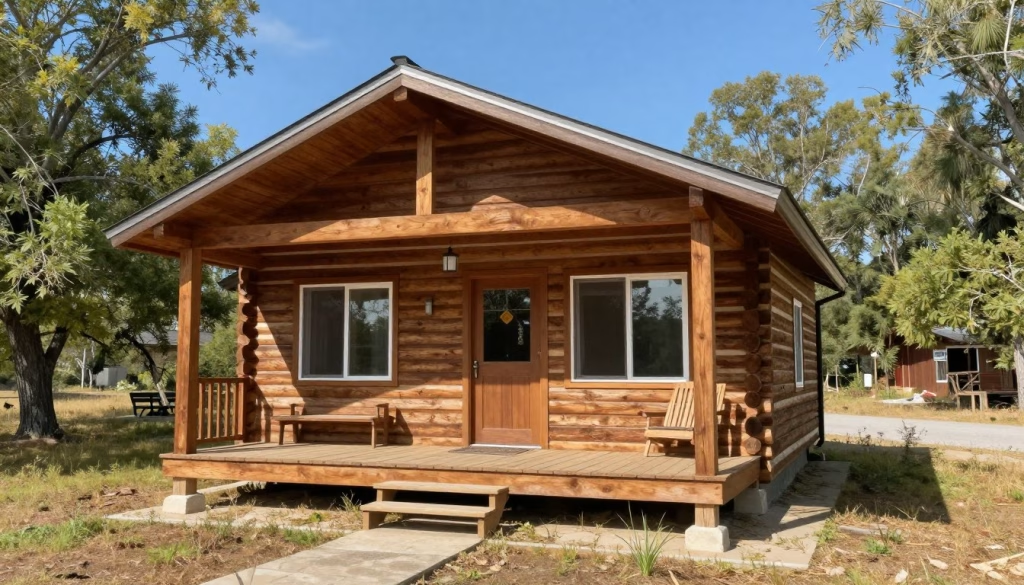
Pros:
✅ Faster build timelines: Factory construction removes weather delays, so modular log homes can move from foundation to finished shell far quicker than many traditional builds.
✅ Consistent quality and waste reduction: Building modules in a controlled setting improves fit, reduces material waste, and can enhance energy performance when walls, insulation, and seals are done precisely.
Cons:
❌ Transportation and site costs: Modules must be hauled to your site — depending on distance, access, and local permits this can add significant expense (transportation and crane costs can add thousands). Get a shipping estimate early when budgeting your log home.
❌ On-site assembly risks: Proper assembly of modules and integration of electrical, plumbing, and corners requires experienced crews. Mistakes during on-site connections can affect safety and finish quality.
❌ Limited options for solid log walls: Because modules are typically framed or assembled as boxes, installing full solid log walls (stacked, handcrafted logs) is often not feasible with modular kits; modular builds commonly use framed walls with log siding to achieve a log look.
❌ Customization limits: While modular options allow some layout and finish choices, highly customized log profiles, unique post-and-beam features, or specialty timber treatments are easier to achieve with traditional construction.
Verdict: A modular cabin suits buyers who prioritize speed, consistent construction quality, and reduced waste, and who are comfortable with some limits on solid-log options and deep customization. If you’re considering modular, request a transport and assembly estimate from Tar River Log Homes early — knowing shipping and crane needs will clarify whether modular is the most cost-effective option for your log home project.
Cabin Style: Traditional
Traditional log home styles use handcrafted or milled logs stacked and fitted together to form load-bearing walls. The logs are sealed and chinked where needed, producing solid log walls with strong thermal mass, natural timber charm, and a timeless exterior and interior look.
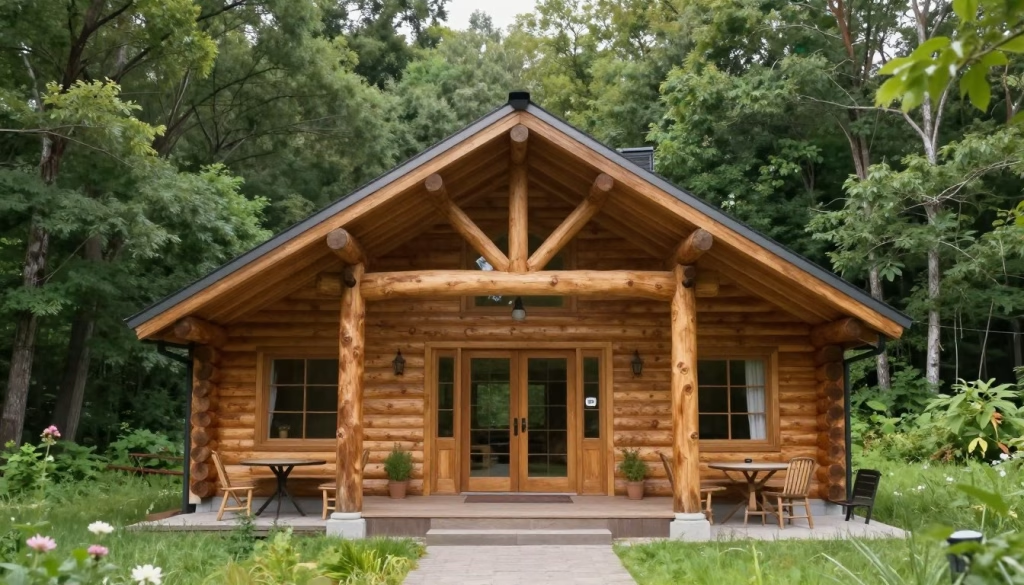
Pros:
✅Unique and charming: Solid log walls and exposed timber beams give traditional log homes an authentic, rustic character that’s hard to replicate with other materials.
✅Extremely customizable: Working with a builder on a traditional log home lets you specify log profiles, interior layout, posts and beams, stair design, and finishes for a truly unique home.
✅Durability: Properly built solid log homes using quality logs and correct joinery can last generations; natural timber, when kept sealed and maintained, resists the elements and provides lasting structural performance.
✅Competitive costs for what you get: Depending on design choices, the price gap between modular and traditional log homes may be small when you factor in finishes and long-term value — especially if you prioritize bespoke log profiles and post-beam features.
Cons:
❌Longer build time: Traditional log construction is more labor-intensive and can take several months, depending on home size and complexity.
❌Maintenance: All log homes require ongoing maintenance — sealing, staining, and periodic inspection of chinking and flashing help protect logs from moisture and insects and preserve energy performance.
Verdict: If you want an authentic log home with the maximum level of customization, solid log walls, and distinct timber character — and you’re prepared for a longer timeline and regular maintenance — traditional construction is often the best choice. Traditional log homes excel at unique design, interior warmth, and a long-term, heirloom quality that appeals to buyers who love real logs.
How to Select the Perfect Log Home Style for You
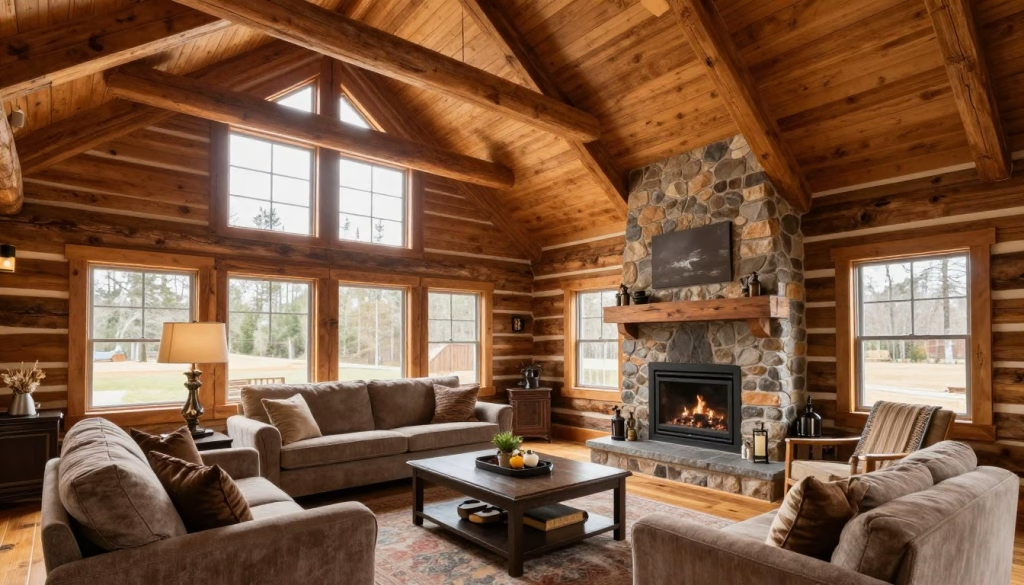
Like every decision in life, there are pros and cons to each style. If you’re unsure which type of log home is right for you, answer these questions honestly to guide your choice.
- How much are you comfortable spending on the home, including foundation, systems, and finishes?
- How long can you wait — do you need a faster modular option or can you wait for traditional construction?
- Do you want to build it yourself (kit) or hire professionals for a custom log home?
- How important is full customization of logs, interior design, and post-beam features to your final home?
Answering these questions will point you toward the best log cabin style for your needs. If you’d like personalized guidance or a side-by-side estimate for kit, modular, and traditional options, contact Tar River Log Homes to discuss styles, timber choices, insulation strategies, and how log wall fit impacts long-term performance.
Explore the Types of Log Homes Tar River Log Homes Offers
Let’s not forget the most important step in obtaining the type of log home you want – finding a builder or partner you can TRUST for the job! No matter if you choose a DIY kit, modular or traditionally constructed cabin, it’s essential to select materials and manufacturers who uphold a spotless reputation for quality.
As you evaluate builders, look for demonstrated experience with solid log walls, post-beam features, and timber joinery. Ask about their approach to log fit, chinking, insulation, and long-term maintenance so your log home performs well for decades.
Explore our wide selection of 50+ log cabin models for sale in NC – or contact us now to discuss your dream home!