Ultimate Guide to Log Cabin Kits: Discover High-Quality Log Cabin Homes with Timeless Craftsmanship
Creating your dream retreat starts with understanding the world of log cabin kits and the remarkable building materials that make these structures so enduring. Whether you’re exploring model cabins for inspiration, comparing cabins for sale, or planning to build your own sanctuary, this comprehensive guide illuminates everything you need to know about log buildings and the floor plan options available today. High-quality log cabin construction represents more than just assembling timber—it’s about embracing a lifestyle rooted in natural beauty, sustainability, and timeless design principles. This article is worth reading because it demystifies the entire process of selecting, purchasing, and building with log cabin kits, providing practical insights into pricing, customization, and what distinguishes exceptional craftsmanship from mediocre alternatives. You’ll discover how modern log cabin homes balance rustic authenticity with contemporary comfort, and why choosing the right components can transform your building experience from daunting to delightful.
What Exactly Is a Log Cabin Kit and Why Should You Consider One?
A log cabin kit represents a comprehensive package containing all primary structural components needed to construct a log building. These engineered systems include precision-cut logs, roof materials, windows, doors, hardware, and detailed assembly instructions. Unlike traditional construction methods where you source materials separately, a kit provides a coordinated system where every component works together seamlessly.
The efficiency of a log home kit cannot be overstated. Many log cabin builders spend years perfecting their milled logs to ensure proper moisture content, precise cuts, and tight-fitting connections. When your kit arrives, each log comes numbered and ready for installation, dramatically reducing on-site construction time. This systematic approach minimizes errors and material waste while ensuring structural integrity throughout the building process.
Modern kits accommodate diverse needs, from compact small log structures perfect as a bathhouse or guest cabin to expansive luxury log residences exceeding several thousand sq ft. The range of log cabin options includes traditional Appalachian designs featuring hewn log construction, contemporary models with clean-lined milled logs, and everything in between. Whether you’re building in the Ozark mountains, Tennessee (TN), or anywhere else, today’s kits can be adapted to local conditions and building codes while maintaining the authentic character that makes log construction so appealing.
How Do Log Cabin Homes Compare to Traditional Construction Methods?
Log cabin homes offer distinct advantages that conventional stick-frame construction cannot replicate. The solid log walls provide exceptional thermal mass, creating naturally energy-efficient spaces that maintain comfortable temperatures year-round. This inherent insulation reduces heating and cooling costs significantly, making log buildings both environmentally responsible and economically sensible over the structure’s lifetime.
Beyond practical benefits, there’s an irreplaceable aesthetic quality to log construction. The exposed timber creates warm, inviting interiors with rustic appeal that feels fundamentally different from drywall-enclosed rooms. Each log showcases unique grain patterns and natural variations, ensuring no two log cabin homes are identical. This organic beauty connects inhabitants to nature in ways that synthetic materials simply cannot achieve.
The durability of quality materials in log construction has been proven over centuries. Historical log structures throughout the southeastern United States and beyond demonstrate that properly maintained log walls can last for generations. Modern treatments, weather-tight building techniques, and superior building materials have only enhanced this longevity. When you invest in a new log home, you’re creating a legacy that can serve your family for decades while maintaining its timeless beauty and structural integrity.
What Factors Influence Log Cabin Kit Pricing?
Understanding pricing for log cabin kits requires examining multiple variables beyond simple square footage. While cabin size measured in sq ft obviously affects cost—a weekend retreat costs considerably less than a sprawling mountain log estate—numerous other factors significantly impact your total investment. The complexity of your chosen floor plan plays a crucial role, as intricate designs with multiple roof lines and custom features require more materials and labor than straightforward layouts.
The type of log construction dramatically influences pricing structures. Handcrafted log homes using traditional techniques command premium prices due to intensive skilled labor requirements. Conversely, homes and log cabin kits featuring milled logs from established manufacturers often provide more accessible pricing without sacrificing quality. The timber species matters substantially—cedar costs more than pine but offers superior rot resistance and aromatic properties, while other woods fall between these extremes in both cost and characteristics.
Your materials package selection determines what’s included beyond basic structural components. Some log home packages include complete exterior finishing with roof, windows, doors, and siding, while others provide just the log shell. Interior finish materials, plumbing, electrical, and mechanical systems typically aren’t included in basic kits. Remember that the kit itself represents only a portion of total project costs—you’ll need to budget for foundation work, site preparation, assembly labor unless you’re pursuing DIY cabin building, and complete interior finishing. Obtaining transparent pricing information from reputable log cabin builders helps you plan realistically and avoid unwelcome surprises as your project progresses.
How Do You Select the Perfect Floor Plan for Your Log Home?
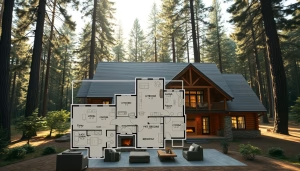
Choosing a floor plan is arguably the most exciting yet challenging aspect of planning your log structure. Your lifestyle needs should fundamentally drive this decision—consider how you’ll actually use the space daily. Do you entertain frequently, requiring open-concept areas that flow from kitchen to living spaces? Or do you prioritize private retreats with separated bedroom wings for family members or guests? Many log home companies offer popular log designs that have been refined through years of customer feedback and real-world experience.
The building site itself profoundly influences which layout works best. A riverside property might benefit from designs maximizing views through strategic window placement and wraparound deck configurations. Mountain log homes often incorporate multiple levels to accommodate sloping terrain while capturing panoramic vistas. The orientation of your structure affects natural lighting and passive solar heating potential—considerations that smart home design integrates from the earliest planning stages.
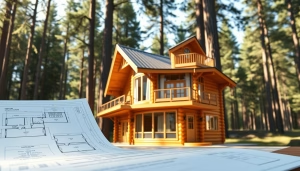
Future flexibility deserves serious consideration when evaluating any layout. A well-conceived log house includes spaces that adapt as your needs evolve—perhaps a home office that could transition to a nursery, or a ground-floor bedroom suite for aging-in-place. Touring model cabins at manufacturer facilities provides invaluable opportunities to walk through actual spaces and understand how dimensions translate into livable square footage. The cabin size should feel proportionate to your property—an oversized structure can overwhelm a small wooded lot, while overly modest proportions might underutilize a spacious parcel. Most importantly, select a floor plan that resonates emotionally; this is your dream home, and it should inspire you from the moment you review the first blueprints.
What Makes Custom Log Designs Different from Standard Kit Options?
Custom log designs represent the pinnacle of personalized home building, enabling you to create a unique residence perfectly aligned with your vision. Unlike standard log cabin kit offerings with predetermined specifications, custom projects let you specify every detail—from overall layout and cabin size to window placements, roof configurations, timber choices, and architectural embellishments. This approach requires collaborating closely with experienced cabin builders who can translate your ideas into structurally sound, buildable plans.
The customizable log home process typically begins with concept discussions where you share requirements, aesthetic preferences, and budget parameters. Designers create preliminary drawings that you refine through multiple iterations. Want to blend farmhouse elements with traditional log construction? Interested in incorporating a detached bathhouse or workshop? Hoping to personalize specific design elements that reflect your family’s heritage? Custom design accommodates these unique requests in ways standardized models cannot, allowing you to truly customize every aspect of your structure.
However, customization involves certain trade-offs worth understanding upfront. Custom projects generally require longer lead times since your materials package must be specially manufactured rather than pulled from existing inventory. Pricing also tends higher due to the engineering work and specialized production required. Yet for many homeowners, these considerations pale compared to the satisfaction of living in a space designed specifically around their needs. The ability to build log structures that perfectly match your vision—whether incorporating specific timber species, unique roof designs with gable features, or specialized siding options—ensures your log home reflects individual taste rather than market-driven design compromises common in standard offerings.
Which Log Cabin Builders Offer Superior Craftsmanship and Quality Materials?
Identifying leading log home companies requires diligent research and careful evaluation of multiple factors. Start by examining longevity in the industry—companies operating for decades typically indicate reliability, refined techniques, and satisfied customer bases. Many log home companies with extensive experience have corrected past design issues, improved their building materials, and established reputations they actively protect through continued excellence.
Quality materials form the foundation of any reputable builder’s offering. Inquire about timber sourcing practices—is the solid wood sustainably harvested? What species are available? How are logs processed and what moisture content standards are maintained? Superior log cabin builders use kiln-dried or properly seasoned timber to minimize settling, warping, and cracking. They should provide comprehensive information about roof systems, specifying whether they use premium shingle materials and weather-tight construction methods that prevent leaks and moisture infiltration.
Customer support distinguishes exceptional companies from merely adequate ones. Do they provide detailed assembly instructions and ongoing technical support throughout your project? Can you visit their facilities to examine a model home or range of log cabin examples? What warranties protect your investment? Reading reviews from previous customers reveals patterns in service quality, communication, and problem resolution. Don’t hesitate requesting references and actually contacting past clients about their experiences. Geographic considerations matter too—while some companies ship nationally, others focus on regions like the southeastern United States. Companies with extensive experience in your climate zone better understand local building codes, weather challenges, and appropriate log construction techniques for optimal performance in your specific area.
What Are the Different Log Construction Methods and Their Advantages?
Understanding various log construction techniques empowers informed decision-making about your project. Handcrafted log methods represent the oldest approach, where skilled craftspeople individually shape each timber using traditional tools and techniques. This labor-intensive process creates stunning, unique results with authentic rustic appeal that machine production cannot replicate. Hewn log construction, particularly popular in Appalachian traditions, features logs with hand-tooled flat surfaces creating distinctive visual character and tight-fitting log walls.
Milled logs offer a contemporary alternative where precision machinery shapes each piece for consistent dimensions and tight fits. This method produces the clean, uniform appearance preferred in many modern log cabin homes while maintaining excellent structural integrity. Milled log systems typically assemble more quickly than handcrafted alternatives and often cost less due to manufacturing efficiencies. The logs might be round, square, or D-shaped in cross-section, each offering different aesthetic and performance characteristics that affect both appearance and thermal efficiency.
Hybrid construction combines log elements with conventional building techniques, offering creative flexibility. You might have solid log exterior walls with stick-frame interior partitions, or incorporate timber frame structural systems with log infill between posts and beams. This approach allows innovative home design possibilities and can reduce costs compared to full log construction. Some homeowners choose log construction for primary living areas while using conventional methods for utility spaces, garages, or less-visible sections. Each method has distinct merits—the best choice depends on your aesthetic preferences, budget constraints, skill level if pursuing DIY cabin building, and regional building traditions. Visiting model log structures showcasing different construction techniques provides valuable perspective before committing to a particular approach for your own project.
How Should You Evaluate Cabins for Sale Versus Building Your Own Kit?
When considering log cabin homes, you’ll face a fundamental decision: purchasing existing cabins for sale or building from a log cabin kit. Each approach offers distinct advantages worth carefully weighing. Existing structures provide immediate occupancy—you can move in quickly after closing without enduring months of construction. You’ll see exactly what you’re getting, eliminating uncertainties about how design choices translate into reality. For some buyers, particularly those seeking vacation cabins or rental properties, this certainty and speed justify paying premium prices.
However, building from a log home kit offers unmatched customization and potential cost savings. You control every aspect of your project, from the floor plan layout to the specific building materials used throughout. This control ensures your structure perfectly suits your needs rather than compromising on someone else’s design decisions. Many log cabin builders offer a range of log options and log home packages at various price points, making kit construction accessible to diverse budgets. The sense of accomplishment from participating in your cabin building process—whether as owner-builder or actively involved client—creates deep personal connection to the finished structure.
Financial considerations extend beyond purchase price. Existing log buildings may require immediate repairs or updates to systems like roof, plumbing, or electrical. These hidden costs can quickly erode apparent savings from lower purchase prices. Conversely, new construction with quality materials and modern techniques provides known quantities with warranties protecting your investment. Location matters tremendously too—finding existing cabins for sale in your preferred area, whether that’s a riverside setting, mountain property, or specific communities in TN or the Ozark region, may prove difficult. Building allows you to select your ideal site first, then create a structure perfectly suited to that specific location’s characteristics and views.
What Ongoing Maintenance Do Log Buildings Require for Longevity?
Proper maintenance preserves your log structure’s durability and beauty for generations. Unlike vinyl-sided conventional homes, log buildings require proactive care focused primarily on protecting timber from moisture and UV damage. Plan annual inspections of your log walls, examining for signs of water infiltration, insect activity, or finish deterioration. Addressing small issues promptly prevents major problems from developing and protects your investment in high-quality log cabin construction.
Refinishing represents the most significant recurring maintenance task. Depending on climate, sun exposure, and initial finish quality, you’ll need reapplying protective stains or sealants every three to seven years. This process involves cleaning the logs, repairing damaged areas, and applying fresh coatings. While labor-intensive, this work is manageable for most homeowners and far less expensive than residing conventional structures. Many log home companies provide specific maintenance guidelines for their products, including recommended treatment schedules and compatible finish products that work best with their particular log construction methods.
Your roof, windows, and door systems require the same attention as any home—regular inspections, gutter cleaning, and prompt repairs prevent water infiltration that can damage log walls. Pay particular attention to areas where different materials meet, such as where roof connects to log walls or around windows and doors. These transitions are vulnerable points where gaps can develop over time. Checking and maintaining chinking or caulking in these locations prevents drafts and moisture problems. Inside your log house, maintain consistent humidity levels to minimize log movement and cracking. The investment in proper maintenance protects your substantial initial investment and ensures your log cabin homes remain beautiful, comfortable, and valuable for decades while maintaining the timeless appeal that attracted you to log construction originally.
How Do Location and Regional Factors Affect Your Log Cabin Planning?
Geographic considerations profoundly influence log cabin construction decisions and long-term performance. If you’re building in Tennessee (TN), the Ozark mountains, or other southeastern climates with high humidity, moisture management becomes paramount. Your log walls need proper treatment and finishing to resist mold and decay. Adequate roof overhang protects logs from excessive rain exposure, while proper grading and drainage prevent water accumulation near your foundation that could wick into lower logs.
Mountain log homes face different engineering challenges than riverside properties or flatland sites. Steep terrain may necessitate elevated foundations or walkout basement designs that add complexity and cost. Wind loads at higher elevations require robust roof systems and potentially reinforced structural connections beyond standard requirements. Conversely, river valley locations might deal with periodic flooding concerns influencing foundation height, utility placement, and access considerations during high-water periods.
Regional building codes vary significantly and must be thoroughly understood before purchasing any kit or beginning construction. Snow load requirements in northern climates demand stronger roof systems than mild southern regions. Seismic considerations in certain areas affect foundation and structural specifications. Working with local log cabin builders familiar with area regulations streamlines the permitting process and ensures compliance with all applicable codes. Climate also influences your selection of building materials—certain wood species perform better in specific conditions, and treatments appropriate for dry climates might prove inadequate in wet regions. Even your decisions about cabin size might be affected by local zoning restrictions, setback requirements, or homeowners association rules. Thoroughly researching these location-specific factors before finalizing plans prevents costly modifications or disappointing compromises later in your project timeline.
Key Takeaways: Essential Points About Log Cabin Kits
- Log cabin kits streamline construction by providing pre-cut, engineered components with numbered pieces and detailed instructions, reducing build time and complexity significantly compared to sourcing materials separately
- Quality materials are non-negotiable for long-term satisfaction—invest in properly dried, treated timber and weather-tight construction techniques to ensure durability and minimize future maintenance headaches
- Pricing depends on multiple factors including cabin size (sq ft), log type (handcrafted vs. milled logs), timber species, floor plan complexity, included materials package, and regional cost variations
- Floor plan selection should balance practical lifestyle needs, site characteristics, future flexibility for changing circumstances, and emotional appeal rather than focusing solely on square footage numbers
- Custom log designs offer maximum personalization but typically require longer lead times and higher costs than standard kit options—weigh these trade-offs against the value of getting exactly what you envision
- Reputable log cabin builders provide comprehensive support including detailed specifications, technical assistance, opportunities to tour model cabins, transparent pricing, and meaningful warranties
- Different construction methods (handcrafted, milled logs, hybrid approaches) each offer distinct advantages in appearance, cost, assembly complexity, and final aesthetic—choose based on your priorities and budget
- Location and climate significantly influence appropriate log species, necessary treatments, roof system design, and construction techniques for optimal performance in your specific environment
- Regular maintenance protects your investment—plan for periodic refinishing every 3-7 years, annual inspections, and prompt repairs to preserve timeless beauty and structural integrity
- Building versus buying existing structures involves trade-offs between customization/cost control and immediate occupancy/certainty—carefully evaluate your priorities, timeline, and budget before deciding
Frequently Asked Questions
How long does it take to build a log cabin from a kit?
Construction timeline varies based on cabin size, complexity, weather conditions, and whether you’re hiring professionals or building yourself. A small log structure might be enclosed in 2-3 weeks with an experienced crew, while larger, more complex log cabin homes could take 2-3 months to reach weather-tight status. Complete finishing typically adds several additional months regardless of size.
Can I build a log cabin kit myself, or do I need professional help?
Many log home kit manufacturers design their products for owner-builder assembly, providing detailed instructions and technical support. However, success depends on your construction experience, available time, and physical capability. Most DIY builders hire professionals for foundation work and rely on friends for assistance during log raising. Even experienced builders often hire specialists for roof, electrical, and plumbing work.
What’s the lifespan of a properly maintained log cabin?
With appropriate maintenance including regular refinishing and prompt repairs, log buildings can last for centuries. Historical log structures throughout North America demonstrate this remarkable longevity. Modern quality materials and treatments have only enhanced this durability, making a well-built new log home a multi-generational investment when properly cared for.
Are log cabin homes energy efficient?
Yes, solid log walls provide excellent thermal mass that naturally regulates interior temperatures, keeping spaces cooler in summer and warmer in winter. This inherent insulation reduces heating and cooling costs significantly compared to poorly insulated conventional construction. However, energy efficiency depends on proper construction techniques, adequate chinking or caulking, and quality windows and doors.
What’s the difference between a log cabin kit and a log home kit?
These terms are often used interchangeably in the industry. Generally, “log cabin” suggests smaller, simpler structures with rustic appeal, while “log home” implies larger, potentially more luxurious residences. However, manufacturers use both terms inconsistently, so focus on actual specifications, square footage, and included components rather than marketing terminology.
Do log cabins require special insurance?
Most insurance companies cover log construction similarly to conventional homes, though some may charge slightly higher premiums due to perceived fire risk. Shop around and work with agents familiar with log buildings who can find competitive rates. Demonstrating proper maintenance, adequate fire protection, and quality construction often results in favorable insurance terms.
Can log cabin kits be customized after purchase?
Modifications depend on your specific kit and manufacturer policies. Some companies accommodate changes before manufacturing begins, while others offer limited flexibility once orders are placed. Discuss customization options early in your planning process. Even with standardized kits, you typically control interior finishing, layout adjustments within the basic shell, and many aesthetic choices that personalize the final structure.
What timber species work best for log cabins?
Popular choices include pine, cedar, spruce, and fir, each offering distinct characteristics. Cedar provides natural rot resistance and aromatic properties but costs more. Pine offers affordability and availability. Spruce and fir balance cost and performance well. The best choice depends on your climate, budget, aesthetic preferences, and local availability. Consult with log cabin builders about species performance in your specific region.
How do I choose between round logs and square logs?
Round logs provide traditional rustic appeal and excellent structural characteristics but create irregular interior walls requiring creative finishing approaches. Square or D-shaped logs offer flat interior surfaces easier to finish conventionally while maintaining log aesthetics externally. Consider your interior design preferences, finish plans, and desired aesthetic when deciding between these options for your log construction project.
What’s included in a typical log home package?
Packages vary significantly by manufacturer and price point. Basic packages typically include logs, roof system components, windows, and doors. Mid-range options add exterior finishes and sometimes interior materials. Premium packages might include complete material lists for finishing. Always clarify exactly what’s included versus what you’ll need to source separately, including foundation materials, plumbing, electrical, mechanical systems, and interior finishes to avoid budget surprises.