
What if your dream of a rustic log home could become a reality much faster than you ever imagined?
Many people envision a long and complex process. We understand this is one of your first big questions. Your journey can range from a few days for a simple kit to over two years for a fully custom residence.
The beauty of this project is your control over the details. You determine the best schedule for your vision. We guide you through understanding how choices impact your construction schedule.
This comprehensive guide breaks down every stage. It helps you plan confidently and avoid common pitfalls. Whether you want a cozy retreat or a full-time home, knowing the realistic time investment is crucial.
We help transform visions into reality. Proper planning is essential for bringing your cabin dream to life successfully.
Project Planning and Preparation for Log Homes
The planning phase serves as the blueprint for your entire log home construction experience. We guide you through this critical stage where your vision transforms into detailed plans.

Establishing Goals and Budget
Clear goals define your project’s purpose. Whether creating a weekend retreat or year-round residence, every decision should align with your vision. Your budget planning must account for construction costs, land acquisition, and permit fees.
We recommend allocating 6-12 months for comprehensive planning. This timeframe allows thorough research and informed decisions that serve you for years.
| Planning Phase | Timeframe | Key Activities | Outcome |
|---|---|---|---|
| Initial Planning | 1-2 months | Goal setting, budget framework | Project scope definition |
| Design Development | 3-4 months | Floor plans, material selection | Detailed specifications |
| Permit Preparation | 2-3 months | Documentation, submissions | Approval readiness |
| Final Coordination | 1-2 months | Contractor scheduling, deliveries | Construction readiness |
Securing Permits and Sourcing Materials
Permit acquisition often takes longer than expected. Local building departments require detailed plans and sometimes multiple revisions. Simultaneously, sourcing quality materials requires researching suppliers and comparing options.
Working with experienced professionals like Tar River Log Homes (1-252-544-5660) streamlines this process significantly. They help coordinate contractor schedules and material deliveries to align with your timeline.
Factors Influencing Construction Time
Your project timeline depends heavily on variables that are often outside your direct control. Understanding these elements helps you create realistic schedules for your dream cabin.
Weather and Site Conditions
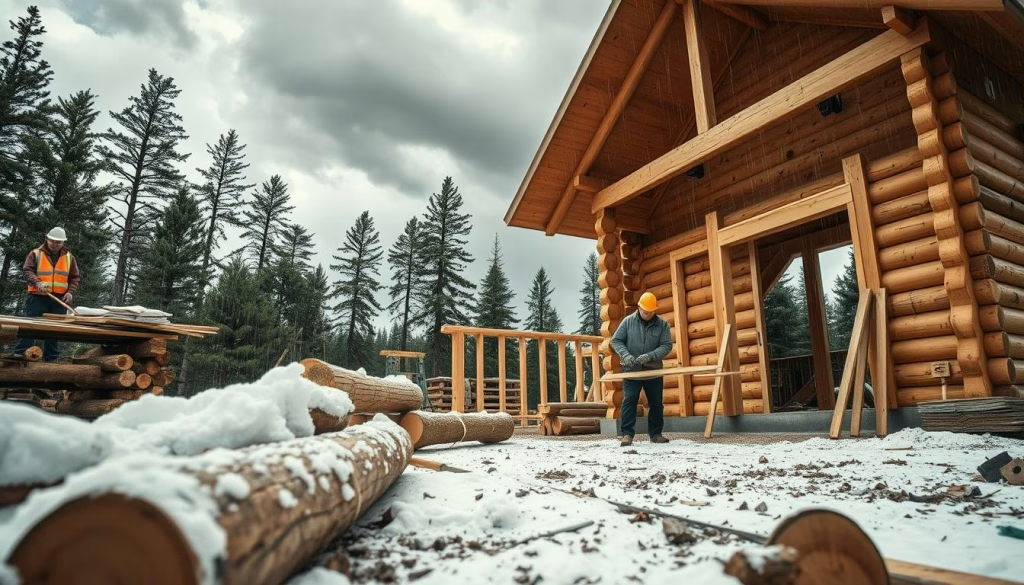
Weather represents the most unpredictable factor in your building schedule. Rainy days not only halt work but prevent proper timber treatment. This can significantly delay your project time.
Your site conditions also play a crucial role. Flat, cleared land allows for quick progress. Sloped or rocky terrain can add weeks to foundation preparation.
Experience and Manpower
Your experience level dramatically affects construction speed. First-time builders work more slowly while learning techniques. Those with building backgrounds move efficiently through each stage.
Adequate manpower is essential for log projects. Most cabin constructions require at least two people. Extra hands prevent damage and make the build safer.
| Factor | Impact Level | Time Variation | Mitigation Strategy |
|---|---|---|---|
| Weather Conditions | High | 2-6 weeks | Spring/summer start |
| Site Preparation | Medium-High | 1-4 weeks | Professional assessment |
| Builder Experience | High | 3-8 weeks | Training or hiring pros |
| Workforce Size | Medium | 2-5 weeks | Team of 2-4 people |
We help you anticipate how these variables affect your specific log cabin vision. Proper planning accounts for weather, site challenges, and your team’s experience.
How Long Does It Take To Build A Log Cabin
Real customer experiences offer the most reliable benchmarks for planning your own construction timeline. We find that documented examples provide concrete expectations far better than theoretical estimates alone.
Real-World Timeline Examples
Custom projects require significantly more time investment. A traditional family residence averages around 8 months according to construction surveys. Fully personalized cabin designs typically span 10-25 months from concept to move-in readiness.
For an average-sized structure built from scratch, plan on 11-16 weeks of full-time work. A standard 20×24 foot design takes approximately 3 weeks just for wall notching and raising.
These real-world examples show the dramatic range of possible schedules. Your choice between kit and custom approaches will determine your project’s duration significantly.
Step-by-Step Guide to Building Your Log Cabin
Your construction journey transforms from vision to reality through a clear, step-by-step process. We break the entire project into manageable phases that build naturally upon each other. This detailed guide helps you understand what to expect at every milestone.
Planning Stage Overview
Proper preparation sets the foundation for success. Your planning phase encompasses everything from initial sketches to finalizing your construction timeline. We help you address every detail before breaking ground.
Site preparation involves clearing vegetation and leveling the ground. This crucial groundwork ensures stability for your future home. Selecting your foundation type significantly impacts both timeline and cost.
Construction Stage Milestones
The construction phase begins with raising your log walls. This exciting stage sees your dream take visible shape week by week. Building with logs means walls serve multiple functions simultaneously.
Installing your roof represents a critical milestone that protects your investment. Depending on material choice, this can take one day to a full week. Flooring installation typically requires just a day or two for standard layouts.
Finishing Touches and Final Inspections
Final details bring your project to completion. These include cutting window openings and installing doors. Weatherproofing and exterior staining protect against the elements.
Final inspections ensure your cabin meets all safety standards. This gives you peace of mind before enjoying your new space. Following this logical progression keeps your project organized and on schedule.
Tips for Speeding Up Your Log Cabin Build
Smart preparation and proven techniques can dramatically reduce your construction timeline while maintaining quality results. We guide you through efficiency strategies that experienced professionals use to streamline the entire process.
Organizing Resources Efficiently
Proper organization before starting your DIY project saves significant time during construction. Unpack and sort all your logs by size and cut specifications before beginning the build.
Create a comprehensive tool checklist with charged drills, rubber mallets, and safety equipment ready. Reading instructions thoroughly prevents hours of mistakes later. This preparation ensures a smooth workflow from start to finish.
Utilizing Proven Construction Practices
Working with at least two people isn’t just about speed—it’s essential for safety and quality. Many logs require two sets of hands for proper positioning without damage.
Professional builders work efficiently because they’ve refined processes through repetition. Adopting these practices brings DIYers closer to professional-level speed. Schedule dedicated work blocks rather than sporadic hours to maintain rhythm.
Protect materials from weather during construction to prevent moisture issues. Tarping logs overnight avoids swelling that causes fitting problems. This simple step saves considerable rework time.These proven methods help builders of all experience levels work more efficiently. Your cabin project will progress smoothly when you implement these building best practices from day one.
Cost and Material Considerations
Your budget and material choices work together to shape both the timeline and long-term value of your dream home. We guide you through these critical decisions because they impact everything from construction speed to maintenance requirements for years to come.
Evaluating Quality, Budget, and Material Choices
Traditional wood logs offer authentic character but demand significant preparation. Each 20-foot log requires 1-2 hours for debarking and at least six months for proper drying. This adds considerable time before construction can even begin.
Modern alternatives like steel log siding arrive ready for installation. These materials eliminate milling and shaping while providing decades of protection. Your upfront investment in quality materials often reduces both construction time and future maintenance expenses.
Kit options provide pre-cut, pre-fitted components that streamline the building process. Custom timber requires meticulous measuring and fitting. The way you source materials also affects your schedule significantly.
Quality materials resist the elements more effectively. This protects your investment and prevents costly repairs down the road. For personalized recommendations, contact Tar River Log Homes at 1-252-544-5660.
We help you balance aesthetics with practical considerations. Your choices should align with your skill level, available time, and vision for your space. Proper planning ensures your cabin becomes the retreat you envision.
Conclusion
The path from vision to reality has been mapped out for your successful cabin creation. We’ve guided you through every stage, from initial planning that may span a year to construction that varies based on your approach.
Your log home dream is entirely achievable. Whether you choose a quick-assembly kit or custom building, thorough plans ensure success. Creating your own space offers incredible satisfaction and long-term value for years to come.
Ready to start building your log cabin? Contact Tar River Log Homes at 1-252-544-5660. Our team provides expert guidance to bring your home vision into the real world.


