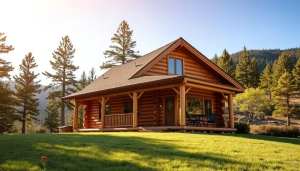
Have you ever admired the rustic charm of a log dwelling, only to hesitate because you’ve heard they demand endless upkeep? This is a common concern we hear at Tar River Log Homes.
Many potential owners wonder if caring for these beautiful structures is an overwhelming chore. The truth might surprise you. While these residences need specific attention, the care involved is often far more manageable than rumors suggest.
We believe knowledge is power. With the right information from the start, you can confidently protect your investment. Modern building techniques and protective treatments have made a significant difference.
This guide will transform your concerns into confidence. We will walk you through the essentials of preserving your property’s natural beauty. You will see that a little proactive planning goes a long way.
Let’s explore what’s truly involved in owning one of these timeless homes. Together, we can ensure your vision becomes a rewarding, long-lasting reality.
Why Log Home Maintenance Matters
Owning a wood-built dwelling represents a significant commitment that requires understanding how to safeguard your valuable asset. At Tar River Log Homes, we’ve seen how proper care transforms concerns into confidence.
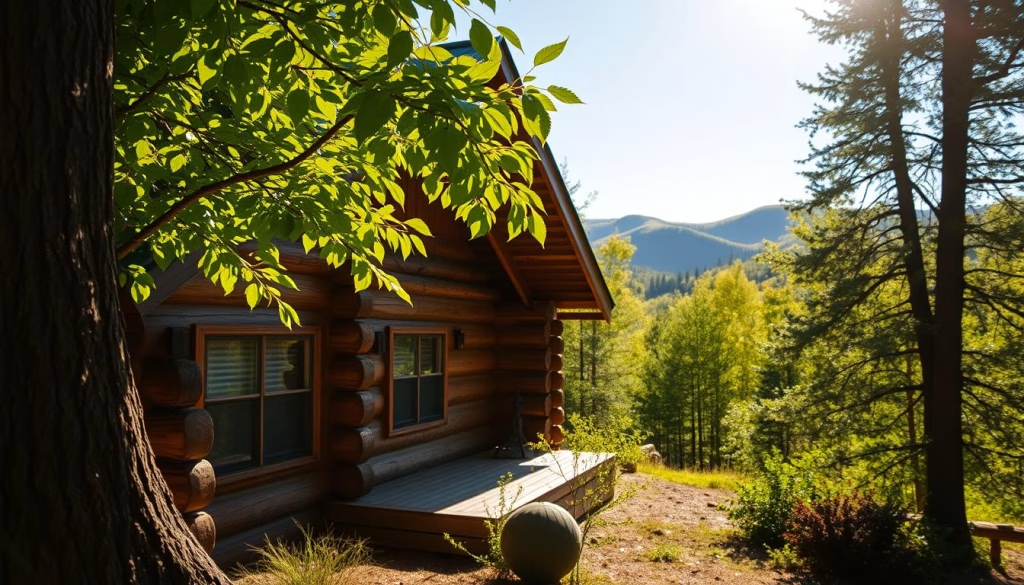
Protecting Your Investment Through Regular Care
Your log residence is more than just a structure—it’s a substantial financial and emotional investment. Regular maintenance provides essential protection that goes beyond surface appearance.
Consistent care prevents small issues from becoming major problems. Neglecting maintenance for just a few years can lead to exponentially higher repair costs. We help homeowners develop manageable schedules that preserve their property’s value and longevity.
Understanding Environmental Impacts on Your Cabin
Natural elements constantly work against your timber walls. Moisture penetration represents the greatest threat to structural integrity. When water seeps into wood, it creates ideal conditions for rot and damage.
Insect infestations, particularly from carpenter bees, pose real risks. Modern borate treatments effectively prevent pest problems before they start. South and west-facing walls experience more exposure, requiring additional attention.
Proper maintenance ensures your dwelling remains beautiful and structurally sound for generations. This protection preserves energy efficiency and the natural charm that drew you to timber living.
Do Log Cabin Home Kits Require Alot Of Maintenance
Let’s address the most common question we receive at our office: just how much upkeep does a log residence truly need? Many people worry it’s an overwhelming chore.
We are here to provide the honest answer from our decades of experience.
Expert Guidance from Tar River Log Homes
Our team in has helped countless owners. We clarify that while care for these structures is different from conventional houses, it is far from excessive.
With proper planning, the time commitment becomes very manageable. Smart design choices from the start make a huge difference.
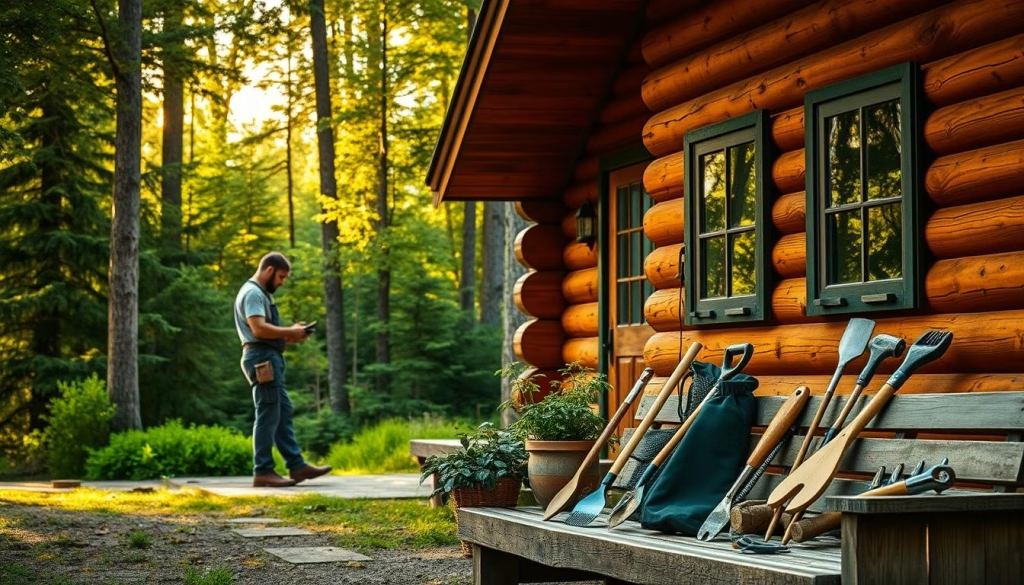
Annual costs for specific log home care typically range from $1,000 to $5,000. This investment preserves your property’s beauty and value for years to come.
The key tasks are straightforward:
- Staining the wood surfaces
- Sealing joints and gaps
- Regular inspections for moisture or pests
These actions become a simple routine. Small, consistent habits prevent major issues. We empower you with knowledge, turning anxiety into confidence for your ownership journey.
Preparing and Cleaning the Exterior of Your Log Home
The foundation of lasting log home protection begins with careful surface preparation before any cleaning or sealing. We guide you through a systematic approach that ensures your efforts deliver maximum results.
Removing Fixtures and Preparing Surfaces
Start by removing exterior items that block access to your log walls. Take down shutters and mailboxes, but leave electrical fixtures in place for safety. Consider turning off outdoor power during this process.
Next, inspect your wood surfaces for natural splits called checks. Look for openings ⅛ inch or wider. Mark these areas with tape for easy identification later.
Fill these vulnerable spots using backer rod and quality caulk. Push the backer rod flush, apply tape along the edges, then smooth color-matched caulk into place. Remove the tape before the caulk dries completely.
Effective Techniques for Soft Washing and Cleaning
Soft washing provides the safest method for cleaning log surfaces. Maintain a distance of 12-18 inches when using your pressure washer. This prevents splintering or other damage to your wood.
Apply the cleaning solution and let it work for 5-10 minutes. Then rinse thoroughly using water only. This gentle approach removes dirt without harming your exterior surfaces.
Allow at least three full days of drying time before applying any protective treatments. Rushing this critical step can trap moisture and lead to rot. Pay extra attention to south and west-facing walls that endure more weather exposure.
North-facing areas typically stay damp longer after rainfall. These preparation steps create the ideal foundation for effective stain application and long-term protection.
Staining, Sealing, and Repairing Your Log Home
Your log walls gain their primary defense system through proper staining and sealing techniques. This process creates a protective barrier that preserves the natural appearance while fighting environmental threats.
We begin by carefully taping windows, doors, and light fixtures. This preparation prevents accidental coating on surfaces you want to keep clean. Proper masking ensures professional-looking results.
Step-by-Step Resealing Process for Longevity
Apply protective coatings using a paint sprayer with back brushing technique. Spray in sections using back-and-forth motions. Immediately brush the product into small checks and crevices.
Work along the entire length of each log to prevent overlap lines. Apply only when temperatures range between 55° and 100° Fahrenheit. Avoid direct sunlight during application for even absorption.
Choosing the Right Stain and Sealant Products
Quality products contain specialized additives for maximum protection. They differ significantly from generic wood coatings available at regular stores.
Your log’s color will darken slightly with each application. Lighter tones often work better for restaining projects. The pigment in these stains blocks harmful UV rays from the sun.
| Product Type | Key Feature | Best For | Reapplication |
|---|---|---|---|
| Oil-Based Stains | Thicker consistency, deeper penetration | Existing oil-based surfaces | 4-7 years |
| Water-Based Stains | Faster drying, easier cleanup | New applications | 3-5 years |
| Penetrating Oils | Maximum moisture resistance | High rainfall areas | 5-6 years |
| UV-Blocking Formulas | Enhanced sun protection | South/West exposures | 4-5 years |
Remember that oil and water don’t mix. If your log home currently has oil-based stain, you must continue with oil-based products. This staining process typically costs $3-7 per square foot.
The right finish repels moisture while blocking damaging rays. This dual protection maintains your structure’s natural beauty for years between treatments.
Interior Maintenance and Seasonal Upkeep
The beauty of your dwelling’s interior wood finishes requires specific attention to preserve their natural glow throughout the seasons. We guide you through simple routines that protect your investment while maintaining that warm, inviting atmosphere you love.
Cleaning and Caring for Indoor Finishes
Your interior walls feature a clear coat finish that enhances the wood’s natural brightness while making cleaning straightforward. Use gentle household cleaners with a soft, wet rag to maintain this protective layer.
For hardwood floors, establish consistent habits. Sweep frequently with a fine-bristle broom and vacuum weekly using soft brush attachments. Water represents wood’s greatest enemy—promptly address spills with soft towels or a wet/dry vacuum.
Protective measures extend your floor’s lifespan. Use carpet runners in high-traffic zones and install floor mats at entrances. Apply felt pads under furniture legs to prevent scratches and dents.
| Season | Interior Focus | Key Tasks | Frequency |
|---|---|---|---|
| Spring | Deep cleaning | Wall washing, floor conditioning | Annual |
| Summer | Ventilation | Air circulation, humidity control | Ongoing |
| Fall | Winter preparation | Gap sealing, system checks | Seasonal |
| Winter | Moisture monitoring | Humidity levels, temperature stability | Weekly |
Winterizing and Inspecting Against the Elements
As temperatures drop, either maintain interior heat above 60 degrees or properly blow out water lines to prevent freezing. Seal gaps where cold air might infiltrate and install draft stoppers under doors.
Regular inspections throughout the year help identify small issues before they escalate. Check for moisture intrusion, signs of pests, and any areas where rot might develop. Pay special attention to north-facing sections where dampness lingers.
Preventive actions today save you from costly repairs tomorrow. Establish a consistent routine that keeps your space comfortable and protected through every season.
Conclusion
Your path to worry-free log cabin living begins with understanding that consistent, informed care transforms potential concerns into manageable routines. We’ve shown you that protecting your investment doesn’t demand overwhelming effort—just smart, proactive steps that preserve your structure’s natural beauty for years to come.
The common threats to wood—moisture, water damage, insect issues, and rot—are all preventable with proper maintenance. Regular inspections, timely staining, and careful sealing ensure your log home maintains its structural integrity and timeless appeal.
We at Tar River Log Homes stand ready to support your journey. Call us at 1-252-544-5660 for expert guidance. Together, we’ll ensure your timber residence provides generations of comfort and longevity.