
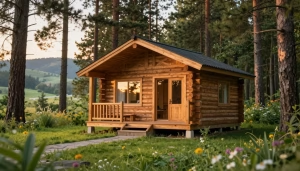
Dreaming of a cozy retreat in the woods? Many people across the United States now seek simple ways to own a private getaway. Finding log cabin kits under $25,000 makes this dream possible for most budgets.
These structures serve as perfect guest houses or backyard offices. Selecting affordable log cabin kits ensures you get a high-quality structure without a massive mortgage. The joy of creating a personal sanctuary is truly unmatched.
Small dwellings offer a unique charm and a smaller footprint on the land. Smart construction choices help you focus on what really matters, like relaxing in nature. You can transform your property with these versatile and charming wood structures.
Key Takeaways
- Set a realistic budget for your entire construction project.
- Research local zoning laws and permits before purchasing.
- Choose a floor plan that fits your specific land.
- Consider the additional costs of foundations and utilities.
- Look for durable wood materials to ensure longevity.
- Plan for assembly time and your specific labor needs.
Understanding the Appeal of Affordable Log Cabin Kits
Affordable log cabin kits under $25,000 have become a sought-after solution for those looking to own a cozy retreat without breaking the bank. The appeal of these kits can be attributed to several factors, including their cost-effectiveness, the ease with which they can be constructed, and the inherent charm of log cabins.
One of the primary advantages of log cabin kits is their cost-effectiveness. Traditional construction methods can be expensive due to labor costs and the complexity of the building process. Log cabin kits simplify this by providing pre-cut and often pre-drilled lumber, reducing waste and the need for specialized labor. This approach not only saves money but also makes the construction process more efficient.
The ease of construction is another significant factor. These kits usually come with detailed instructions, making it possible for individuals with basic DIY skills to assemble their cabins. This not only saves on labor costs but also provides a sense of accomplishment. Many people find the process of building their own log cabin to be a rewarding experience.
Log cabins have a unique charm that is hard to replicate with traditional building methods. The natural beauty of the wood, combined with the rustic aesthetic, creates a cozy and welcoming atmosphere. This charm is a significant part of their appeal, making them ideal for retreats, vacation homes, or even primary residences for those looking for a simpler way of living.
| Aspect | Traditional Construction | Log Cabin Kits |
|---|---|---|
| Cost | High due to labor and material costs | More affordable, with costs often under $25,000 |
| Construction Time | Longer due to complexity and labor | Faster, thanks to pre-cut and pre-drilled materials |
| Labor Required | Skilled labor necessary | Basic DIY skills sufficient |
| Customization | Limited by design and construction constraints | Highly customizable within the kit’s framework |
In conclusion, the appeal of affordable log cabin kits lies in their cost-effectiveness, ease of construction, and the unique charm they offer. Whether you’re looking for a cozy retreat or a primary residence, these kits provide a viable and attractive option.
Key Factors to Consider Before Purchasing Your Cabin Kit
Embarking on a cabin kit project requires careful planning and consideration of several vital factors to avoid costly mistakes and delays. When investing in a cabin kits with foundation, it’s essential to look beyond the initial purchase price and consider the overall cost and feasibility of the project.
Evaluating Foundation Requirements and Site Preparation
The first step in preparing for your cabin kit is to evaluate the foundation requirements. This involves assessing the terrain of your building site to determine the type of foundation needed, whether it’s a slab, crawl space, or full basement. Site preparation is also crucial, as it may involve clearing land, grading, and ensuring the site is level and compact.
A well-prepared site is fundamental to the stability and longevity of your log cabin. It’s also important to consider the environmental impact of your site preparation and choose methods that minimize damage to the surrounding ecosystem.
Understanding Zoning Laws and Building Permits
Before commencing your log cabin construction, it’s vital to understand the local zoning laws and obtain the necessary building permits. Zoning laws can dictate the size and location of your cabin, as well as the type of construction allowed in your area.
- Research local zoning regulations to ensure compliance.
- Obtain the required building permits before starting construction.
- Consult with local authorities or a professional if you’re unsure about the regulations.
Assessing Material Quality and Insulation Needs
The quality of materials provided with your cabin kit can significantly impact the durability and comfort of your cabin. It’s essential to assess the materials and ensure they meet your standards and needs. Additionally, consider the insulation requirements to ensure your cabin is energy-efficient and comfortable throughout the year.
Look for cabin kits that offer high-quality, sustainable materials and consider the insulation needs based on your climate and intended use of the cabin. Proper insulation can make a significant difference in your energy costs and overall living experience.
Essential Tools and Skills for DIY Cabin Assembly
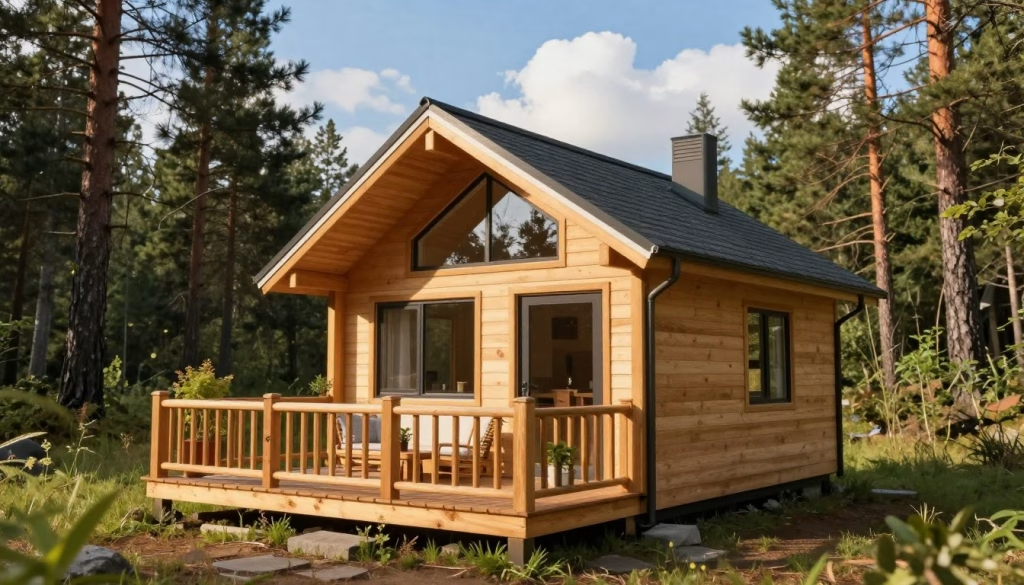
Before starting your DIY log cabin construction, it’s essential to understand the necessary tools and skills required. Assembling a log cabin kit is a significant project that demands careful planning, the right equipment, and a good understanding of construction principles.
The success of your project largely depends on being well-prepared. This includes having the necessary power tools, safety gear, and a well-managed construction site.
Necessary Power Tools for Construction
Having the right power tools is crucial for the efficient assembly of your log cabin kit. Some of the essential power tools include:
- Circular Saw: For making straight cuts in lumber.
- Drill Press: For drilling precise holes.
- Impact Driver: For driving large screws and bolts.
- Reciprocating Saw: For cutting in tight spaces.
| Tool | Purpose |
|---|---|
| Circular Saw | Making straight cuts in lumber |
| Drill Press | Drilling precise holes |
| Impact Driver | Driving large screws and bolts |
Safety Gear and Site Management
Safety should be your top priority during the construction process. Essential safety gear includes:
- Hard Hat: Protects against falling objects.
- Safety Glasses: Protects your eyes from debris.
- Steel-Toed Boots: Protects your feet from heavy objects.
Effective site management involves keeping the construction area clean and organized, which helps prevent accidents and improves efficiency.
When to Hire Professional Help
While DIY log cabin construction can be rewarding, there are times when it’s best to seek professional help. If you’re unsure about any aspect of the construction process, such as electrical or plumbing installations, it’s wise to hire a professional to ensure the work is done safely and correctly.
Additionally, if local building codes require certain aspects of the construction to be inspected or performed by licensed professionals, it’s essential to comply with these regulations to avoid legal issues.
Managing Hidden Costs Beyond the Kit Price
The total cost of owning a cabin kit extends far beyond the initial kit price. While the initial investment in a cabin kit might be within your budget, other expenses can quickly add up, impacting your overall cost.
Understanding these additional costs is crucial for effective budgeting. Here are some key areas to consider:
Shipping and Delivery Logistics
One of the often-overlooked costs is shipping and delivery. The cost of transporting your cabin kit from the manufacturer to your site can vary significantly based on distance, kit size, and delivery method.
Factors Affecting Shipping Costs:
- Distance from the manufacturing site
- Size and weight of the cabin kit
- Accessibility of the delivery site
It’s essential to factor these costs into your budget early on to avoid surprises.
Interior Finishing and Utility Hookups
After the cabin kit is assembled, additional costs come into play for interior finishing and connecting utilities. This includes installing electrical, plumbing, and HVAC systems, as well as finishing the interior with flooring, walls, and ceilings.
| Utility/Finish | Estimated Cost |
|---|---|
| Electrical Installation | $5,000 – $10,000 |
| Plumbing Installation | $3,000 – $8,000 |
| HVAC Installation | $2,000 – $5,000 |
| Interior Finishing | $10,000 – $20,000 |
These costs can vary widely depending on your choices and local labor rates.
Landscaping and Exterior Maintenance
Finally, don’t forget about the costs associated with preparing your land and maintaining the exterior of your cabin. This includes clearing land, installing driveways, and ongoing maintenance like painting and roof repairs.
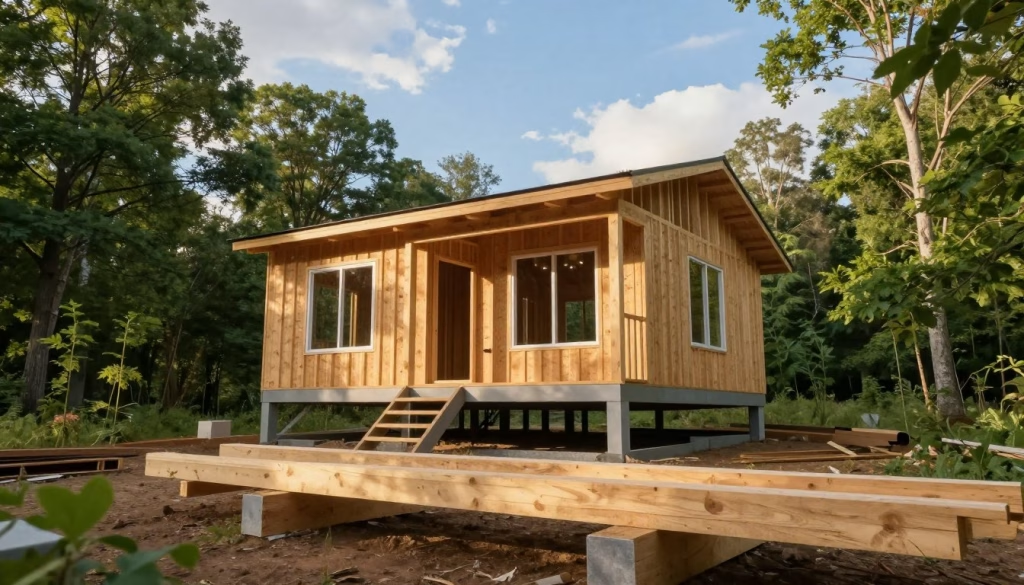
By understanding these hidden costs, you can better plan your budget and ensure that your cabin kit project stays on track financially.
Maximizing Space in Small Cabin Designs
The key to enjoying your small cabin kit lies in its ability to maximize available space efficiently. When working with limited square footage, every decision counts, from the layout to the furniture and storage solutions. By implementing smart design strategies, you can create a cozy and functional living space that feels much larger than it is.
Smart Storage Solutions for Tiny Footprints
One of the most effective ways to maximize space in small cabins is through the use of smart storage solutions. This can include:
- Built-in shelving units that make use of vertical space
- Hidden storage compartments under beds or in furniture
- Multi-functional furniture pieces that serve more than one purpose
For example, a storage ottoman can serve as both a seat and a storage unit. Similarly, a wall-mounted desk can provide a workspace without taking up valuable floor space.
Multi-Functional Furniture Ideas
Choosing the right furniture is crucial in small cabin designs. Multi-functional furniture can greatly enhance the livability of your cabin. Consider:
| Furniture Piece | Multi-Functional Use |
|---|---|
| Sofa | Converts into a bed for guests |
| Coffee Table | Storage compartment for items like books and remotes |
| Dining Table | Folds against the wall when not in use |
As Forbes notes, “Multi-functional furniture is a game-changer for small spaces, allowing residents to enjoy the benefits of multiple pieces without the clutter.”
Optimizing Natural Light and Ventilation
Natural light and ventilation can make a small cabin feel more spacious and welcoming. Strategies for optimization include:
- Installing large windows or skylights to let in natural light
- Using mirrors to reflect natural light and create the illusion of more space
- Ensuring good cross ventilation through the strategic placement of windows and doors
By focusing on these areas, you can create a small cabin that is not only functional but also feels spacious and comfortable. As small cabin kits continue to gain popularity, the importance of maximizing space becomes increasingly evident.
Sustainable Practices for Your Cabin Getaway
Creating an eco-friendly cabin retreat not only benefits the environment but also enhances your overall living experience. As you consider your options for affordable cabin homes or log cabin kits under $25,000, incorporating sustainable practices can make your getaway more enjoyable and responsible.
One of the key aspects of sustainable cabin living is reducing your reliance on public utilities. This can be achieved through various off-grid energy solutions.
Off-Grid Energy Options
Off-grid energy solutions allow you to harness natural resources, reducing your carbon footprint and energy costs. Some popular options include:
- Solar power systems
- Wind turbines
- Hydroelectric power
For instance, solar power systems can be particularly effective, especially if your cabin is located in an area with ample sunlight.
Water Collection and Waste Management
Implementing a rainwater collection system can significantly reduce your water dependency. Additionally, adopting efficient waste management practices, such as composting toilets and recycling, can minimize your environmental impact.
| Sustainable Practice | Benefits |
|---|---|
| Rainwater Collection | Reduces water bills, conserves resources |
| Composting Toilets | Minimizes wastewater, reduces sewage costs |
| Recycling Programs | Decreases landfill waste, promotes eco-friendly habits |
Choosing Eco-Friendly Building Materials
When selecting materials for your cabin, opting for eco-friendly choices can make a significant difference. Consider using low-VOC paints and sustainable insulation materials.
By incorporating these sustainable practices into your cabin design, you can enjoy a more environmentally friendly and cost-effective living space. Whether you’re investing in log cabin kits under $25,000 or exploring other affordable options, making eco-conscious choices will enhance your cabin getaway.
Conclusion
When choosing an affordable log cabin kit, it’s essential to consider factors such as foundation requirements, zoning laws, and material quality. By doing so, you can ensure a smooth construction process and a cozy retreat that meets your expectations.
Whether you’re looking to escape to a peaceful woods or simply seeking a compact living solution, affordable log cabin kits provide a practical and charming option. With the right planning and resources, you can turn your dream of owning a cabin into a reality.
By investing in an affordable log cabin kit, you’re not only gaining a beautiful retreat but also a chance to connect with nature and simplify your lifestyle. Start exploring your options today and take the first step towards creating your perfect log cabin haven.


