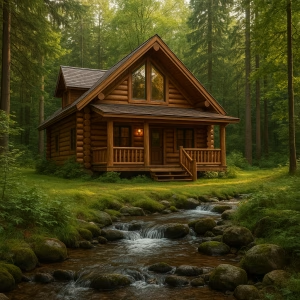
Affordable Log Cabin Kits: Your Complete Guide to High-Quality Log Home Packages and Floor Plans
Building your dream retreat doesn’t have to remain just a fantasy. Log cabin kits have revolutionized how people approach constructing their ideal getaway, permanent residence, or vacation homes. These comprehensive log home packages deliver everything you need to create a stunning structure without the overwhelming complexity of traditional construction methods. Whether you’re envisioning a cozy hunting cabin nestled in the woods or a spacious family retreat, understanding the world of log cabin kits can save you thousands of dollars while ensuring you get the high-quality results you deserve.
This article is worth reading because it demystifies the entire process of selecting, purchasing, and building with log cabin kits. You’ll discover how to navigate pricing options, understand what makes certain materials superior to others, and learn why thousands of customers across all 50 states are choosing this efficient building method over conventional construction.
What Are Log Cabin Kits and How Do They Work?
Log cabin kits are pre-engineered building packages that include the primary structural components needed to construct a log home. Unlike starting from scratch with raw timber, these kits arrive with logs that have been precisely cut, shaped, and numbered for assembly. The concept is beautifully simple: the manufacturer does the complex measuring and cutting work, then ships the components directly to your property.
Most log kits include the exterior walls, gable ends, roof system components, and detailed instructions. The logs typically feature tongue and groove construction, which allows them to interlock seamlessly and create superior insulation compared to conventional framing. This design not only enhances the structural integrity but also contributes to the energy-efficient nature of log construction.
The beauty of these building kits lies in their accessibility. You don’t need years of carpentry experience to assemble them, though having a skilled builder on your team certainly helps. Many companies provide great customer service throughout the construction process, offering technical support whenever questions arise. The numbered components make it possible to construct your dream cabin methodically, piece by piece, transforming what might seem like an impossible project into a manageable reality.
Why Choose Log Cabin Kits Over Traditional Construction?
The advantages of log cabin kits extend far beyond their rustic charm. First and foremost, the cost savings compared to traditional log construction can be substantial. When you eliminate the need for a master log craftsman to hand-select and cut each log on-site, you’re removing one of the most expensive elements of log home building. The affordable log cabin kits available today offer premium quality without the premium price tag that once made log homes accessible only to the wealthy.
Time efficiency represents another compelling benefit. Traditional log construction can take months or even years, depending on the complexity of the design. With a log kit, the manufacturing happens in a controlled environment while you’re preparing your site, obtaining permits, and laying the foundation. Once the package arrives, the actual assembly can proceed remarkably quickly—some smaller cabins can have their log shells erected in just a few days.
The thermal mass of log construction provides natural heating and cooling benefits that translate into long-term savings on utility costs. Logs absorb heat during warm periods and release it when temperatures drop, creating a comfortable interior environment year-round. Modern log cabin kits designed with energy-efficient features can rival or exceed the performance of conventional insulated walls, especially when properly sealed to prevent draft issues.
What Should You Look for in Affordable Log Cabin Kits?
Not all log cabin kits are created equal, and understanding quality markers helps ensure you get the high-quality log cabin kits your project deserves. The species of wood matters significantly—pine remains the most popular choice due to its workability, availability, and attractive grain patterns. However, you’ll also find cedar, cypress, and spruce options, each with distinct characteristics affecting durability, appearance, and pricing.
Log dimensions directly impact both aesthetics and performance. Larger diameter logs create the classic, substantial appearance many people associate with traditional log homes, but they also cost more and require heavier equipment to position. The profile of the logs—whether round, D-shaped, or square—affects how they stack, seal, and present visually. Round logs offer that quintessential log cabin appearance, while square logs can provide more usable interior space.
Manufacturing quality separates top notch products from mediocre ones. Look for logs that have been properly dried to appropriate moisture content—typically between 12-19% depending on your climate. Logs that are too wet will shrink excessively after construction, creating gaps and structural issues. The precision of the cuts, quality of the tongue and groove joints, and attention to detail in pre-drilling for fasteners all indicate the level of craftsmanship you can expect. Companies that offer high quality materials typically provide detailed specifications and aren’t shy about explaining their processes.
How Much Do Log Cabin Kits Cost?
Pricing for log cabin kits varies dramatically based on size, materials, complexity, and included components. A basic small cabin kit might start around $15,000-$25,000 for just the log shell, while elaborate custom log home packages can exceed $100,000 or more. Understanding what influences these costs helps you budget appropriately and identify where you might find savings without sacrificing quality.
Square footage is obviously the primary cost driver—more space requires more material. However, the complexity of the floor plan also impacts pricing significantly. A simple rectangular design costs less to manufacture than one with multiple wings, angles, or custom features. The log profile and species you select will shift pricing as well, with exotic hardwoods commanding premium prices compared to standard pine options.
What’s included in the package fundamentally affects value. Some affordable log cabin packages provide only the exterior log walls and basic roof framing. Others are more comprehensive, including windows, doors, interior partitions, roofing materials, and even flooring. When comparing pricing between suppliers, create a detailed list of what each package includes to ensure you’re making an apples-to-apples comparison. The cheapest kit might actually cost more in the long run if you need to source many components separately from your local building supply stores.
What Floor Plans Are Available for Log Cabin Homes?
The variety of log cabin floor plans available today is truly remarkable, ranging from simple one-room structures to elaborate multi-story designs with thousands of square feet. Many manufacturers offer standard plans that have been refined over years of customer feedback, representing proven designs that balance aesthetics, functionality, and construction efficiency. These plans often come in various sizes, allowing you to choose the footprint that best fits your needs and budget.
Popular floor plan configurations include open-concept great rooms that showcase the natural beauty of the log interior, loft-style second stories that maximize space efficiency, and designs with wraparound porches that extend your living space outdoors. Whether you’re planning a cozy weekend retreat or a full-time residence, you’ll find log cabin floor plans that accommodate your lifestyle requirements.
The ability to customize represents one of the most appealing aspects of working with log kit manufacturers. While pre-designed plans provide an excellent starting point, many companies allow modifications to suit your specific vision. You might adjust room sizes, add or remove bedrooms, incorporate a basement, or modify the roof pitch. This flexibility lets you build your dream home while still benefiting from the cost efficiencies of pre-engineered components. Some manufacturers specialize in fully custom log designs, working with you from concept through completion to create something uniquely yours.
Are Amish Built Log Cabin Kits Worth Considering?
Amish built log structures have earned a reputation for exceptional craftsmanship and attention to detail. The Amish building tradition emphasizes hand skills, quality materials, and time-tested construction methods that result in structures built to last generations. When you choose Amish built log cabin kits, you’re accessing this heritage of excellence combined with modern efficiency.
These builders typically source high-quality materials and employ meticulous quality control throughout manufacturing. The logs are carefully selected, precisely cut, and fitted with the kind of attention to detail that comes from craftspeople who take personal pride in their work. Many Amish shops operate in Pennsylvania, Ohio, and other traditional communities, though they ship their products nationwide.
The combination of traditional craftsmanship and competitive pricing makes these options particularly attractive. Because Amish communities often have lower overhead costs and emphasize value over volume, they can offer premium quality at surprisingly affordable rates. Many customers report receiving friendly people who genuinely care about delivering satisfaction—a refreshing change from impersonal corporate transactions. The unbeatable value proposition of getting handcrafted quality without luxury pricing explains why Amish manufacturers have become increasingly popular in the log home market.
What’s Involved in Assembling Your Log Cabin Kit?
The construction process begins long before your log home kit arrives. You’ll need a proper foundation—whether that’s a full basement, crawlspace, or slab—built to support the weight of the log structure. Local building codes dictate specific requirements, so working with inspectors early ensures your foundation meets all necessary standards. Preparing the site properly, with adequate access for delivery trucks and space to organize materials, sets the stage for efficient assembly.
When your kit arrives, it typically comes on one or more flatbed trucks, with components bundled, wrapped, and labeled for identification. Unloading requires equipment like a forklift or crane for larger projects, though smaller hunting cabin kits might be manageable with a few strong helpers. Organization is crucial—keeping components sorted and protected from weather prevents delays and damage.
The actual assembly follows the manufacturer’s instructions, which guide you through stacking logs, installing fasteners, cutting openings for windows and doors, and constructing the roof system. The tongue and groove design helps logs stack properly, creating tight seals that minimize draft and maximize insulation value. Many builders seal between courses with specialized gaskets or foam to further enhance energy efficiency. The heavy timber construction requires care and proper equipment, but the pre-cut, numbered system makes the process far more manageable than traditional log building. Most customers either hire experienced log home builders or work alongside contractors who can guide the construction while they provide labor, striking a balance between cost savings and professional expertise.
How Do Custom Log Homes Differ from Standard Kit Designs?
While standard kits offer excellent value and proven designs, custom log homes represent the ultimate in personalization. When you commission a fully custom log home, you’re working with designers to create a structure that perfectly matches your vision, site requirements, and lifestyle needs. Every aspect—from the floor plan layout to the log profile, from window placement to interior finishes—can be tailored to your specifications.
The design process for custom projects typically involves multiple consultations, detailed drawings, and revisions until the plan captures exactly what you envision. You might incorporate special features like soaring cathedral ceilings, custom staircases, or unique architectural elements that reflect regional style or personal preferences. The flexibility extends to materials as well, allowing you to specify log species, grades, and sizes that might not be available in standard packages.
Naturally, this level of customization comes with higher costs and longer lead times. The design phase alone can take weeks or months, and manufacturing custom components requires additional time compared to producing standard kits. However, for those with specific visions or challenging sites that don’t accommodate standard designs, a custom log approach offers the only path to achieving their dream home. Many manufacturers offer a middle ground—semi-custom options where you start with a base plan and make modifications—providing personalization benefits while controlling costs and timelines.
What About Prebuilt Log Cabins Versus Kits?
Prebuilt log cabins represent another option in the spectrum of log home construction. These structures are completely or substantially assembled in a factory or shop, then transported to your property in sections. Some manufacturers construct entire small cabins that arrive ready to set on your foundation, while others build wall panels or modules that are assembled on-site relatively quickly.
The primary advantage of prebuilt options is speed—what might take weeks to assemble from a kit can be installed in days or even hours with a prebuilt structure. This approach also ensures that assembly happens in a controlled environment, potentially resulting in tighter tolerances and better quality control. Weather delays during construction are minimized since the majority of work happens under cover.
However, prebuilt log cabins face limitations that kits don’t. Transportation logistics restrict size—you can only move structures as large as roads and bridges permit. Delivery to remote properties with narrow access roads or challenging terrain might be impossible. Costs can be higher due to specialized transportation requirements. Additionally, the selection of designs for prebuilt options tends to be more limited than what’s available in kit form. For small structures like hunting cabins or simple retreats, prebuilt solutions offer compelling advantages. For larger, more complex structures, traditional kits often provide better value and flexibility.
How Can You Ensure You’re Getting the Best Value?
Maximizing value in your log cabin kit purchase requires research, comparison, and asking the right questions. Start by requesting detailed specifications from multiple manufacturers. Compare not just the headline pricing, but the actual materials included, log dimensions and quality, hardware provided, and level of customer support offered. Some companies provide comprehensive packages that reduce the need for additional purchases, while others offer bare-bones kits that require significant additional investment.
Reading reviews and testimonials from previous customers provides insights into real-world experiences. Look for feedback about material quality upon delivery, accuracy of the pre-cutting and numbering, helpfulness of assembly instructions, and responsiveness of customer service when issues arise. Companies with decades of experience and thousands of satisfied customers typically deliver more reliable products and support than newer entrants to the market.
Consider the total cost of ownership, not just the initial kit pricing. Energy-efficient designs might cost more upfront but deliver savings on heating and cooling costs for decades. High-quality materials may command premium prices but require less maintenance and last longer. Investing in proper insulation, quality windows and doors, and weather-resistant roofing materials protects your investment and ensures comfortable living. The goal isn’t necessarily finding the cheapest option, but rather securing the best combination of quality, functionality, and price for your specific situation and goals.
Key Takeaways
- Log cabin kits provide an affordable path to owning a log home, with pre-cut components that simplify construction and reduce costs compared to traditional methods
- Quality varies significantly between manufacturers—examine log species, dimensions, moisture content, and manufacturing precision when comparing options
- Pricing depends on multiple factors including size, complexity, materials, and package inclusions; always compare complete specifications, not just headline prices
- Floor plans range from simple designs to elaborate custom creations, with options to modify standard plans or create fully custom homes
- Amish built options offer exceptional craftsmanship with attention to detail and competitive pricing backed by centuries of building tradition
- Energy efficiency is a natural benefit of log construction, with thermal mass providing heating and cooling advantages and potential for significant long-term savings
- Assembly requires planning and preparation, including proper foundations, site access, and either skilled labor or professional contractors
- Prebuilt log cabins offer speed advantages for smaller structures, while kits provide more flexibility for larger or custom projects
- Research and comparison shopping are essential—read reviews, ask detailed questions, and evaluate total cost of ownership, not just initial kit prices
Frequently Asked Questions
How long does it take to build a log cabin from a kit?
The timeline varies based on size, complexity, and whether you’re doing the work yourself or hiring professionals. A small, simple cabin might take 2-4 weeks for experienced builders, while larger custom log homes can require 6-12 months from foundation to completion. The log shell itself often goes up in just days or weeks, with finishing work consuming the majority of time.
Do I need special skills to assemble a log cabin kit?
While you don’t need to be a master carpenter, basic construction knowledge and skills are helpful. Many people successfully assemble kits with minimal experience by following detailed instructions and enlisting help for challenging tasks. Hiring a contractor familiar with log construction for critical phases while providing your own labor for simpler tasks offers a good balance.
Can log cabin kits be built anywhere in the country?
Yes, manufacturers ship to all 50 states, though you’ll need to ensure your design meets local building codes and climate requirements. Some modifications may be necessary for extreme climates—additional insulation for very cold regions or specific treatments for areas with high humidity or insect pressure.
What’s typically not included in a basic log cabin kit?
Most basic kits include only the log walls and roof framing. You’ll typically need to source separately: foundation materials, windows and doors, roofing materials, interior partitions, flooring, plumbing, electrical, HVAC systems, and finishing materials. More comprehensive packages include many of these items, so always verify what’s included.
Are log homes energy efficient compared to conventional construction?
Yes, properly constructed log homes can be very energy-efficient. The thermal mass of logs helps regulate interior temperatures naturally. However, performance depends on log quality, proper sealing between courses, quality windows and doors, and adequate roof insulation. When built correctly, log homes often outperform conventional construction in energy efficiency.
How much maintenance do log homes require?
Log homes need regular inspection and maintenance to protect the wood from moisture, UV damage, and insects. This typically includes re-staining or re-sealing the exterior every 3-7 years depending on climate and exposure, checking and maintaining chinking or caulking, and monitoring for moisture issues. While maintenance is ongoing, it’s manageable and protects your investment.
Can I modify a standard floor plan to suit my needs?
Most manufacturers allow modifications to their standard plans. Simple changes like adjusting room sizes or moving interior walls are usually straightforward and inexpensive. More significant alterations affecting the log structure, roof system, or overall footprint may require engineering review and increase costs, but are often possible.
What’s the best wood species for log cabin kits?
Pine is the most popular choice due to its balance of cost, workability, and appearance. Eastern white pine, western white pine, and southern yellow pine each have distinct characteristics. Cedar offers excellent rot resistance and natural insect deterrence. The “best” choice depends on your budget, climate, aesthetic preferences, and availability in your region.